
Telemedicine prescriptions for generics are now common, but strict DEA rules govern controlled substances like buprenorphine. Learn how the 2026 regulations affect access, refills, and pharmacy fills.
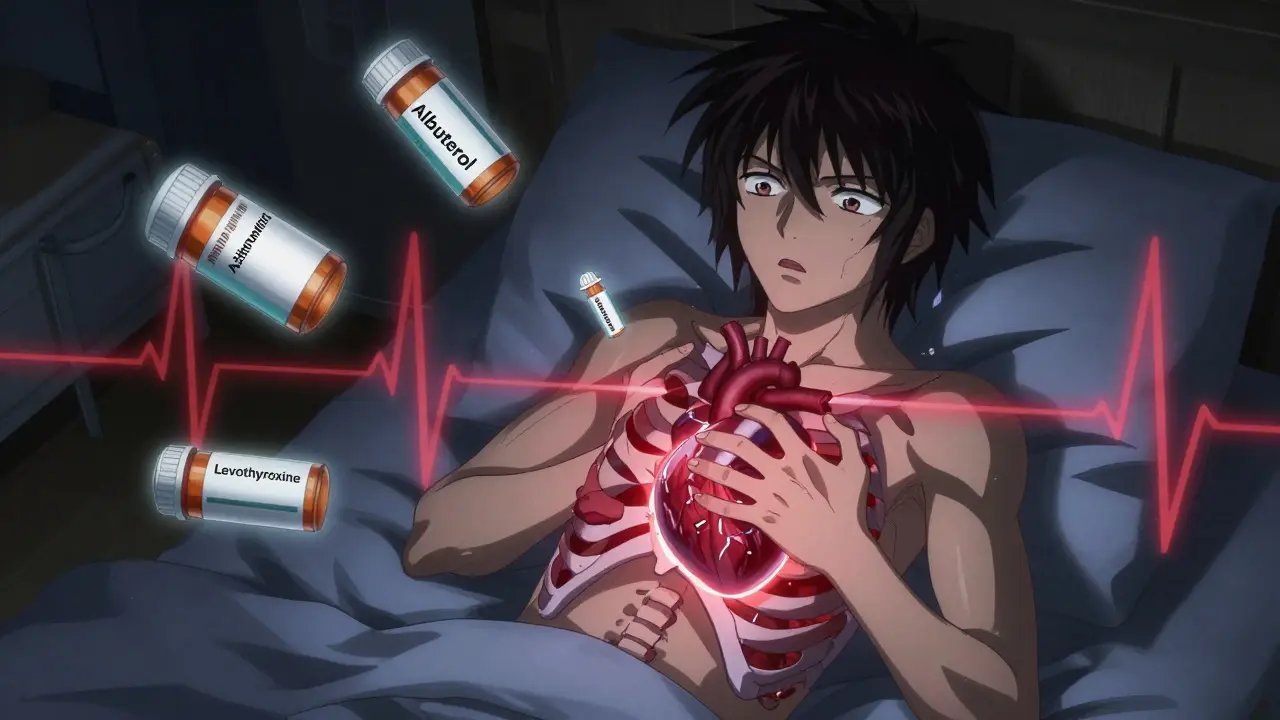
Many medications - from antibiotics to decongestants to thyroid pills - can cause palpitations and rapid heartbeat. Learn which ones are most risky, how doctors evaluate them, and what steps to take to stay safe.
Learn the real risks of immunosuppressants on fertility and pregnancy. From azathioprine safety to cyclophosphamide damage, get clear, evidence-based guidance on which drugs are safe-and what to do before trying to conceive.

Discover how diet and weight loss can reverse nonalcoholic fatty liver disease by healing your gut. Learn what foods help, which probiotics work, and how losing just 5% of your weight can transform your liver health.

Most perforated eardrums heal on their own in 3 to 8 weeks. Learn the exact timeline, what to avoid, when to see a doctor, and how to protect your ear to prevent infection and permanent hearing loss.
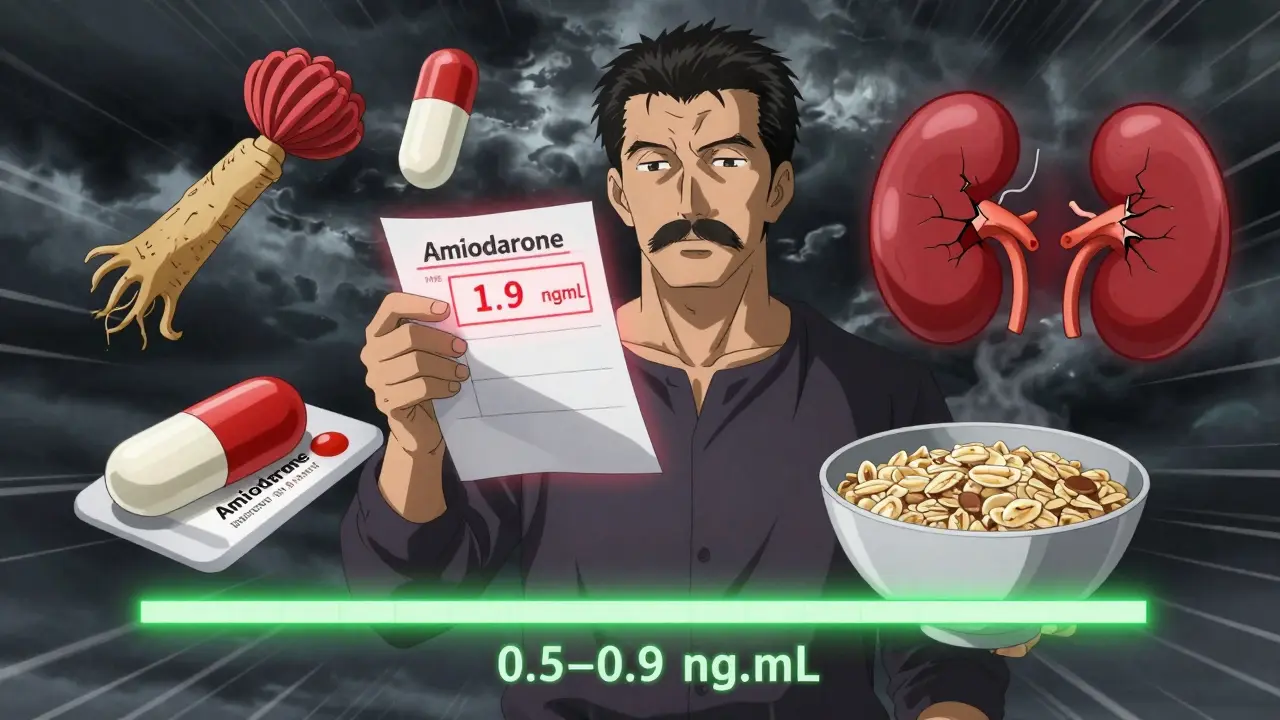
Digoxin helps manage heart failure and atrial fibrillation, but its narrow safety window makes interactions with other drugs, foods, and supplements dangerous. Learn what to monitor to avoid toxicity.

Learn how to exercise safely when taking beta-blockers. Discover proven ways to manage fatigue, replace heart rate monitoring with the talk test and RPE scale, and adjust workouts to stay active without overexertion.

Isotretinoin is the most effective treatment for severe acne, with 80% of patients achieving long-term clearance. Learn about lab monitoring, dosing options, side effects, and what to expect during and after treatment.

Grief and depression share symptoms but are fundamentally different. Learn how to tell them apart, what treatments actually work, and how to support recovery without making things worse.

Wrong-patient errors at pharmacies can lead to serious harm or death. Learn how dual verification, barcode scanning, and patient counseling work together to prevent these preventable mistakes-backed by data from leading pharmacy chains and safety organizations.