

When someone you love dies, it’s normal to feel broken. You cry. You can’t sleep. You lose interest in food, in friends, in life. But is this grief-or is it depression? The difference isn’t just academic. It changes everything: how you heal, what kind of help you need, and whether you ever feel like yourself again.
It’s Not the Same Pain
Grief and depression both hurt. But they hurt in different ways. Grief is the mind’s way of processing a specific loss-usually the death of someone close. It comes in waves. One moment, you’re sobbing because you found their favorite sweater. The next, you’re laughing at a memory of them singing off-key in the car. The pain is sharp, but it’s tied to something real: the person you lost. Depression doesn’t work like that. It’s not triggered by a single event. It’s a persistent fog that settles over everything. You don’t miss someone-you miss the idea of feeling anything at all. There’s no spark of joy, no flash of warmth from a memory. Just emptiness. And guilt. And the crushing belief that you’re worthless, even when nothing bad has happened. The American Psychiatric Association’s DSM-5, updated in 2022, now officially recognizes Prolonged Grief Disorder as its own condition. That means doctors can tell the difference. And they should. Because treating grief like depression-or the other way around-can make things worse.How Doctors Tell the Difference
There are clear signs that separate grief from depression. Look at these key differences:- Focus of thoughts: In grief, your mind keeps returning to the person who died. In depression, your thoughts turn inward-toward failure, shame, or hopelessness.
- Emotional waves: Grief has ups and downs. You might feel okay for an hour, then break down. Depression feels like a flat line-constant, heavy, unchanging.
- Self-worth: People in grief rarely blame themselves for the death. People with depression often feel deeply, irrationally guilty-even if they did nothing wrong.
- Social behavior: Grieving people still reach out. They want to talk about their loved one. Depressed people pull away. They avoid calls, skip gatherings, and feel like a burden.
- Duration: Grief can last months or years, but it usually eases over time. Prolonged Grief Disorder is diagnosed when intense longing, numbness, or inability to accept the loss lasts more than six months in adults.
What Recovery Looks Like
Recovery from grief isn’t about forgetting. It’s about learning to carry the loss without being crushed by it. People heal by remembering, talking, and slowly rebuilding routines. Support groups help. Writing letters to the person who died helps. Sitting quietly with photos helps. Recovery from depression is different. It’s about rewiring the brain. Therapy-especially cognitive behavioral therapy-helps challenge negative thoughts. Medication can lift the chemical fog. Exercise, sunlight, and sleep matter more than people realize. A 2006 study from the STAR*D trial showed that combining sertraline with CBT led to remission in over half of depressed patients within 12 weeks. But here’s the critical part: antidepressants don’t fix grief. The National Institute for Health and Care Excellence (NICE) says they shouldn’t be used for uncomplicated grief. Why? Because 73% of people naturally start to feel better within six months without pills. Medication might mask the pain-but it doesn’t help you process it.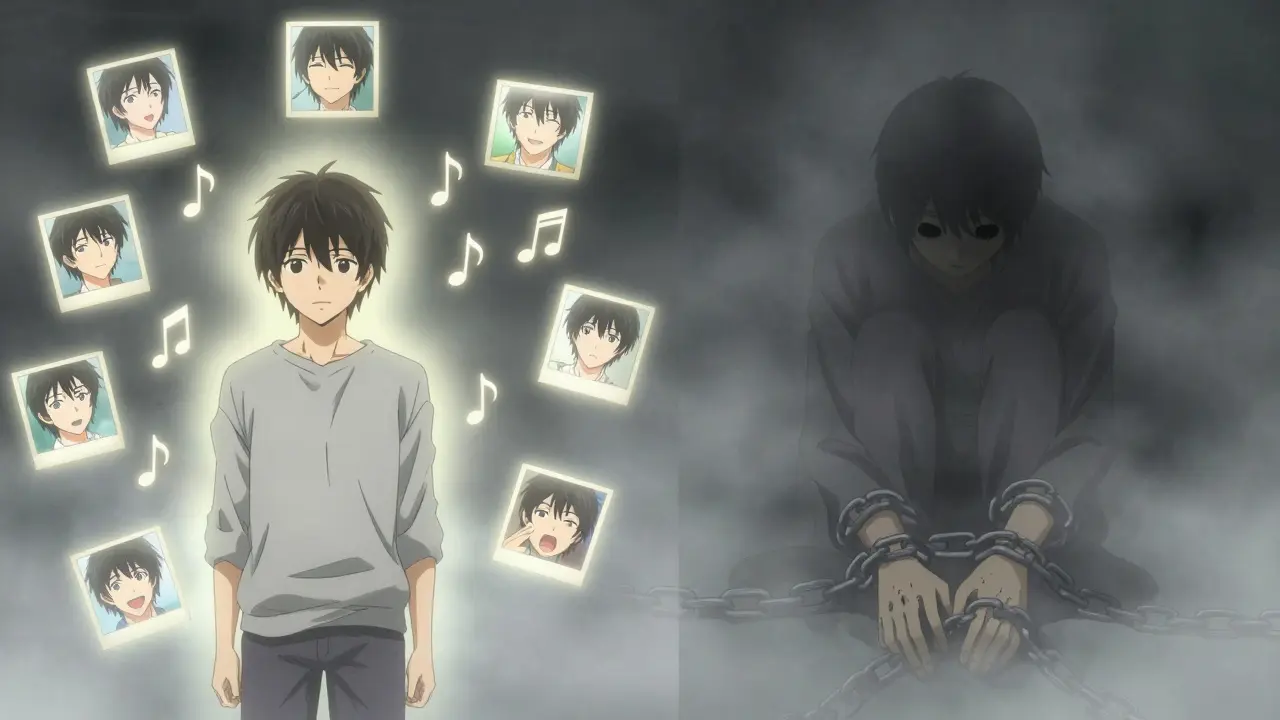
When Grief Turns Into Something Worse
Not every grieving person gets depression. But some do. And that’s dangerous. Research from the American Journal of Psychiatry shows that about 14% of bereaved people develop major depression within a year. Only 10% develop prolonged grief. But 3% end up with both. That’s the worst-case scenario: a person stuck in a loop of intense longing and deep hopelessness. If you’ve been grieving for over six months and you’re still:- Avoiding all reminders of the person
- Feeling numb most of the time
- Unable to enjoy anything-even things you used to love
- Having thoughts of ending your life
What Actually Helps
There’s a therapy built just for prolonged grief. It’s called Complicated Grief Treatment, or CGT. Developed by Columbia University’s Dr. Katherine Shear, it’s 16 weekly sessions focused on telling the story of the loss, reconnecting with memories, and slowly re-engaging with life. In a 2014 JAMA study, 70% of people who did CGT saw major improvement. For depression, the standard is CBT plus medication. But for grief? Therapy that talks about the person you lost. Not the symptoms you’re having. And don’t underestimate the power of connection. A 2018 study found that 68% of grieving people actively sought out friends and family. Only 23% of people with depression did. Talking to someone who says, “Tell me about her,” is healing. Talking to someone who says, “You need to move on,” isn’t.
What Doesn’t Help
Don’t tell someone grieving, “They’re in a better place.” Don’t say, “At least you have other kids.” Don’t ask, “Are you over it yet?” Don’t push them to “get back to normal.” Grief isn’t a task to finish. It’s a new reality to live in. And don’t assume that if they’re crying, they’re depressed. Crying doesn’t mean you’re sick. It means you loved.Where to Find Help
If you’re grieving and feel stuck, look for a counselor trained in grief-specific therapy. The Association for Death Education and Counseling has over 4,200 certified grief counselors in the U.S. alone. Ask if they’ve been trained in Complicated Grief Treatment. Apps like GriefShare, tested in a 2023 JAMA trial, reduced symptoms by 42% in 12 weeks. But depression apps? They barely help with grief. One study showed only 12% improvement in prolonged grief users of mood-tracking apps designed for depression. And if you’re not sure? Talk to your doctor. Ask: “Could this be prolonged grief? Or is it depression?”You’re Not Broken
Losing someone changes you. That doesn’t mean you’re broken. It means you loved deeply. And that love doesn’t disappear when they do. Grief isn’t a mental illness. Depression is. But they can look alike. And if you mix them up, you might get the wrong help. The right help doesn’t erase your pain. It helps you carry it. With time. With support. With the quiet understanding that you don’t have to be okay. You just have to keep going.How do I know if I have prolonged grief or depression?
If your pain centers around missing a specific person-especially if you still feel joy when remembering them-you’re likely experiencing grief. If you feel empty all the time, worthless, and disconnected from all memories-even good ones-you may be depressed. Prolonged grief lasts more than six months and includes intense yearning, numbness, and trouble accepting the loss. Depression includes persistent low mood, loss of interest in everything, fatigue, and thoughts of worthlessness or death. A trained grief counselor can help you tell the difference.
Can grief turn into depression?
Yes. About 14% of people who are grieving develop major depression within a year. This happens when the emotional weight of loss becomes overwhelming and starts to distort your sense of self. Signs include withdrawing from everyone, losing interest in things you used to enjoy, feeling hopeless, or having thoughts of self-harm. If these symptoms last longer than two weeks and don’t improve with time or support, you need professional help-not just comfort.
Should I take antidepressants for grief?
No-for uncomplicated grief. Antidepressants don’t help you process loss. They might make the pain feel less sharp, but they don’t help you heal. Guidelines from NICE and the APA recommend against using them for grief unless depression is also present. Grief heals through connection, memory, and time-not medication. Only consider antidepressants if you meet the full criteria for major depressive disorder.
What therapy works best for grief?
Complicated Grief Treatment (CGT) is the most effective therapy for prolonged grief. Developed at Columbia University, it’s 16 weekly sessions focused on processing the loss, reconnecting with positive memories, and rebuilding a meaningful life without the person. Studies show 70% of people who complete CGT see major improvement. Regular talk therapy or CBT designed for depression won’t work as well-because grief isn’t about changing thoughts. It’s about honoring love.
How long does grief last?
There’s no timeline. Most people start to feel better within 6 to 12 months, but grief never fully disappears. It changes. The sharp edges soften. You learn to carry it. Prolonged Grief Disorder is diagnosed when intense longing, numbness, or inability to accept the death lasts more than six months in adults (12 months for children). If you’re still stuck after that, it’s not that you’re weak-it’s that you need the right kind of support.
Can I help someone who’s grieving without saying the wrong thing?
Yes. Just show up. Say, “I’m here,” or “Tell me about them.” Don’t fix it. Don’t rush them. Don’t say, “They’re in a better place.” Instead, listen. Bring food. Sit with them in silence. Send a text months later: “I was thinking of [name] today.” The most healing thing isn’t advice-it’s presence. People in grief don’t need solutions. They need to know they’re not alone.


swati Thounaojam
January 8 2026i cried for weeks after my mom died. not because i was depressed-because i missed her voice. no meds fixed that. just time and talking to people who knew her.