
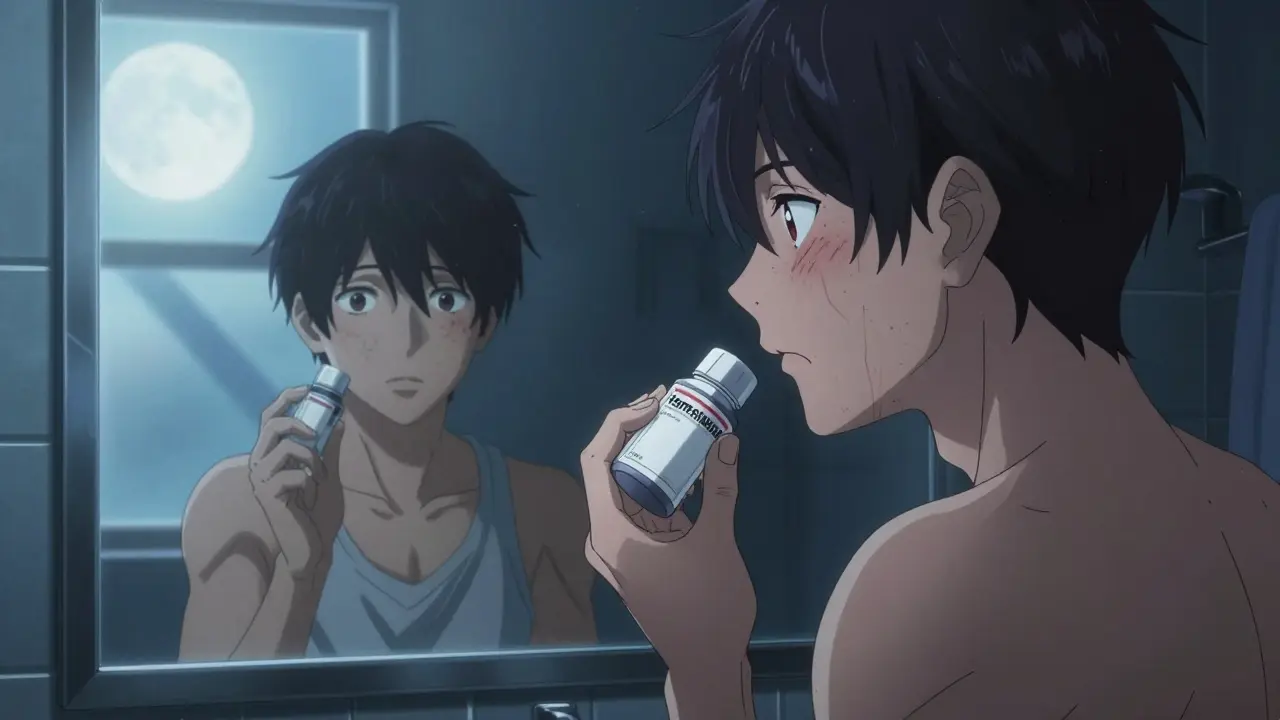
When your acne won’t quit-when cysts bubble up under your skin, scars form before your eyes, and every cream, antibiotic, or face wash has failed-you’re not just dealing with a skin problem. You’re carrying a weight that affects how you see yourself. That’s where isotretinoin comes in. It’s not a miracle cure. It’s not gentle. But for severe acne, it’s the only treatment that can make the breakouts vanish for good.
How Isotretinoin Actually Works
Isotretinoin isn’t just another acne pill. It’s a synthetic version of vitamin A, designed to attack acne at its source. Most treatments try to clean the surface: kill bacteria, dry out oil, or peel away dead skin. Isotretinoin goes deeper. It shrinks your oil glands by up to 90%. That means less sebum, fewer clogged pores, and a much harder time for acne-causing bacteria to survive. It also stops skin cells from clumping together inside pores and reduces inflammation so badly that even deep, painful cysts start to calm down.Unlike antibiotics, which lose effectiveness over time, isotretinoin doesn’t just suppress acne-it rewires the system. After a single course, about 80% of people never need to go back on acne meds again. For many, it’s the first time their skin has been clear in years.
Who Should Take It
Isotretinoin isn’t for mild breakouts or occasional blackheads. It’s meant for severe nodular or cystic acne that hasn’t responded to other treatments. If you’ve tried topical retinoids for months, taken oral antibiotics like doxycycline or minocycline, or even tried hormonal therapies like birth control pills or spironolactone with no lasting results, isotretinoin is the next step.It’s also considered when acne is causing scarring or serious emotional distress. Studies show patients who complete treatment report a dramatic boost in self-esteem, social confidence, and even job performance. Clear skin doesn’t just look better-it changes how you live.
But it’s not for everyone. If your acne is mostly mild comedones (blackheads and whiteheads), you’re better off with topical treatments. Isotretinoin is overkill-and too risky-for that.
Lab Tests: What You Need Before and During Treatment
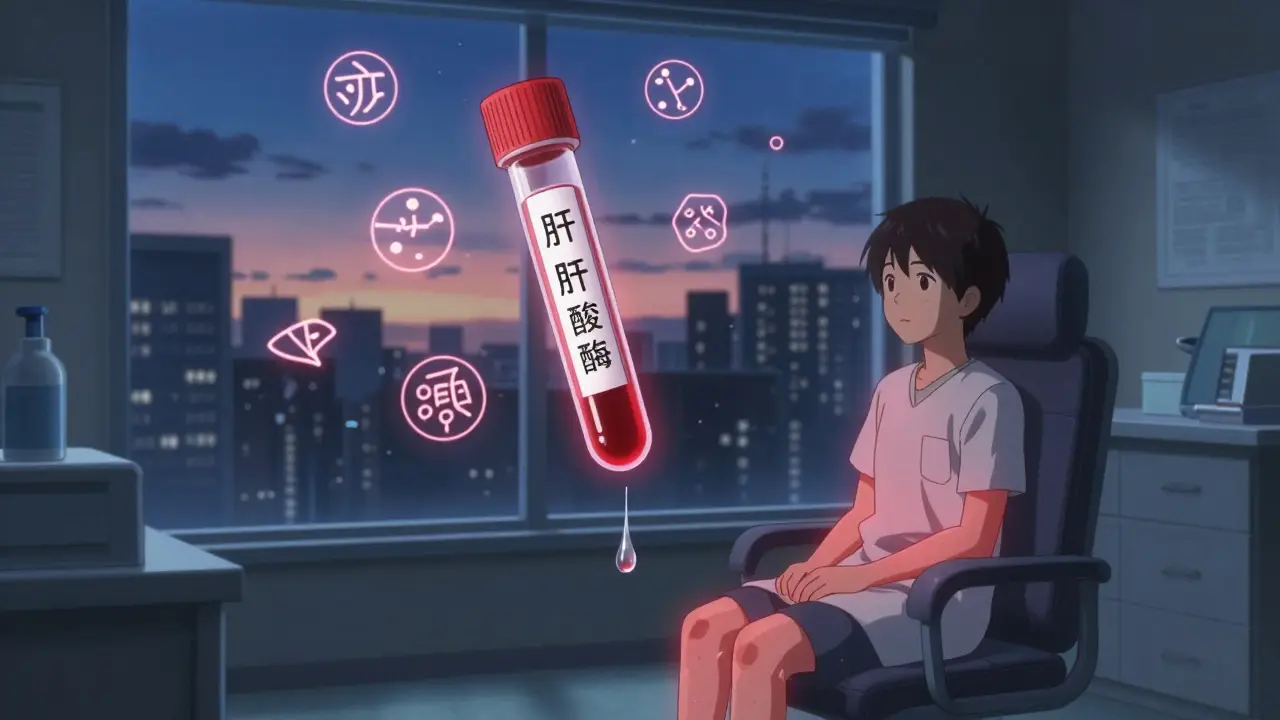
Before you even get your first pill, your doctor will order a full set of baseline lab tests. These aren’t optional. They’re critical.- Complete Blood Count (CBC) - Checks for signs of infection or blood disorders.
- Liver Function Tests (ALT, AST) - Isotretinoin is processed by your liver. High levels could mean stress or damage.
- Lipid Panel - Measures cholesterol and triglycerides. Isotretinoin can raise these, sometimes sharply. High triglycerides increase pancreatitis risk.
These tests repeat every 4 to 8 weeks during treatment. Why? Because side effects don’t always show up right away. A triglyceride level that was fine at week 1 might spike by week 6. A liver enzyme that was normal might climb unnoticed without monitoring.
Some patients need more frequent checks if they have pre-existing conditions like high cholesterol, diabetes, or liver disease. Your doctor will adjust the schedule based on your risk.
Dosing: Low vs. Standard vs. High
For years, the standard was 0.5 to 1.0 mg per kilogram of body weight per day. That meant a 70kg person might take 35 to 70 mg daily for 5 to 8 months. But newer research is changing that.A 2023 review of 32 studies found that a low-dose protocol-just 0.5 mg/kg/day, but taken only once a week for four weeks, repeated over six months-worked just as well for many people. Another study used a fixed 20 mg daily dose for three months and saw 90% improvement with only 4% relapse.
Why does this matter? Lower doses mean fewer side effects. Dry lips, nosebleeds, and joint pain happen less often. You’re still getting the same long-term results. Many dermatologists now start low, especially for patients with mild to moderate severe acne, and only increase if needed.
The goal is a cumulative dose of 120 to 150 mg per kg of body weight over the entire course. But it’s not just about the total. Timing matters too. Taking it with food-especially fatty meals-helps your body absorb it better.
Side Effects: What to Expect
You’ll hear horror stories. Dry skin. Nosebleeds. Mood swings. And yes, some of them are real. But not everyone gets them all, and most are manageable.- Dry lips - Happens in 90% of users. Use petroleum jelly (Vaseline) or a thick, fragrance-free balm 5 to 10 times a day. Don’t lick your lips.
- Dry eyes - 25-30% of people. Use preservative-free artificial tears. Avoid contacts if possible.
- Nosebleeds and dry nasal passages - 15-20%. Use saline spray. A humidifier helps.
- Muscle and joint pain - Rare, but real. If you feel new, unexplained aches, tell your doctor.
- Initial acne flare - 30-40% of people see their acne get worse in the first 4 to 8 weeks. It’s temporary. Don’t panic. Don’t stop. Keep going.
- Increased sun sensitivity - Use sunscreen daily. Avoid tanning beds.
Severe side effects are rare but serious. Watch for:
- Severe headaches with vomiting (could be pseudotumor cerebri)
- Yellowing skin or eyes, dark urine (signs of liver issues)
- Severe stomach pain, vomiting, fever (possible pancreatitis)
- Depression, suicidal thoughts - The link is debated, but if you feel unusually down, tell your doctor immediately.
Most side effects fade within a few weeks after stopping the medication. But some-like dry skin or eyes-can linger for months. You might need to keep using moisturizers and eye drops long after treatment ends.
The iPLEDGE Program: What It Really Means
In the U.S., you can’t get isotretinoin without enrolling in iPLEDGE. It’s not bureaucracy-it’s a safety net.If you’re female and can get pregnant, you must:
- Have two negative pregnancy tests before starting
- Use two forms of birth control during treatment and for one month after
- Take a monthly pregnancy test
- Complete online education modules
- Get your prescription filled only after all steps are confirmed
It’s frustrating. It’s time-consuming. Some women say it feels like being treated like a suspect. But the risk of birth defects is real. Isotretinoin can cause severe, life-altering malformations in a developing baby-even if you only take it for a week.
Men and people who can’t get pregnant still need to register, but they don’t need pregnancy tests or birth control. Still, they must complete the education and sign forms every month.

Results: How Long Until You See Change?
You won’t see results in a week. Most people notice improvement around week 8. By month 4, many look dramatically better. At the end of a 5- to 8-month course, 80% of patients have 90%+ clear skin.And here’s the best part: for most, it lasts. Studies show that 60-70% of people never get severe acne back. Some might get the occasional pimple, but nothing that requires medication again. That’s the difference between isotretinoin and every other acne treatment.
Relapse is more common in people who took lower doses, didn’t reach the full cumulative dose, or had very severe acne to begin with. But even then, if acne returns, it’s usually much milder-and easier to treat with topical options.
What Comes After
After you finish, your doctor will likely schedule a final check-up. They’ll check your labs one last time to make sure everything’s back to normal. Your skin might still feel dry. That’s okay. Keep using gentle cleansers and moisturizers. Avoid harsh scrubs or exfoliants for at least a few months.If you had scarring, you might want to explore treatments like microneedling or laser therapy-but only after your skin has fully healed, usually 6 to 12 months after stopping isotretinoin.
And if you’re wondering about future pregnancies? Wait at least one month after your last dose. Some doctors recommend waiting three months for extra safety, especially if you had high triglycerides or liver issues.
Is It Worth It?
Isotretinoin isn’t easy. It’s expensive. It’s complicated. It requires patience, discipline, and regular doctor visits. But for people with severe, treatment-resistant acne, it’s often the only thing that gives them back their life.One patient on Reddit said: ‘I cried the first time I saw my face without a single pimple. I hadn’t seen that since I was 12.’ Another wrote: ‘I stopped hiding in hoodies. I started applying for jobs. I got my first date in five years.’
The risks are real. But so are the rewards. If you’ve been struggling for years, if your skin has stolen your confidence, isotretinoin might be the hardest-but most life-changing-decision you’ll ever make.


Jenci Spradlin
January 9 2026took isotretinoin in 2018-my lips were cracked like a desert for 6 months, but i finally saw my forehead without a single bump. worth every damn second. keep going.