
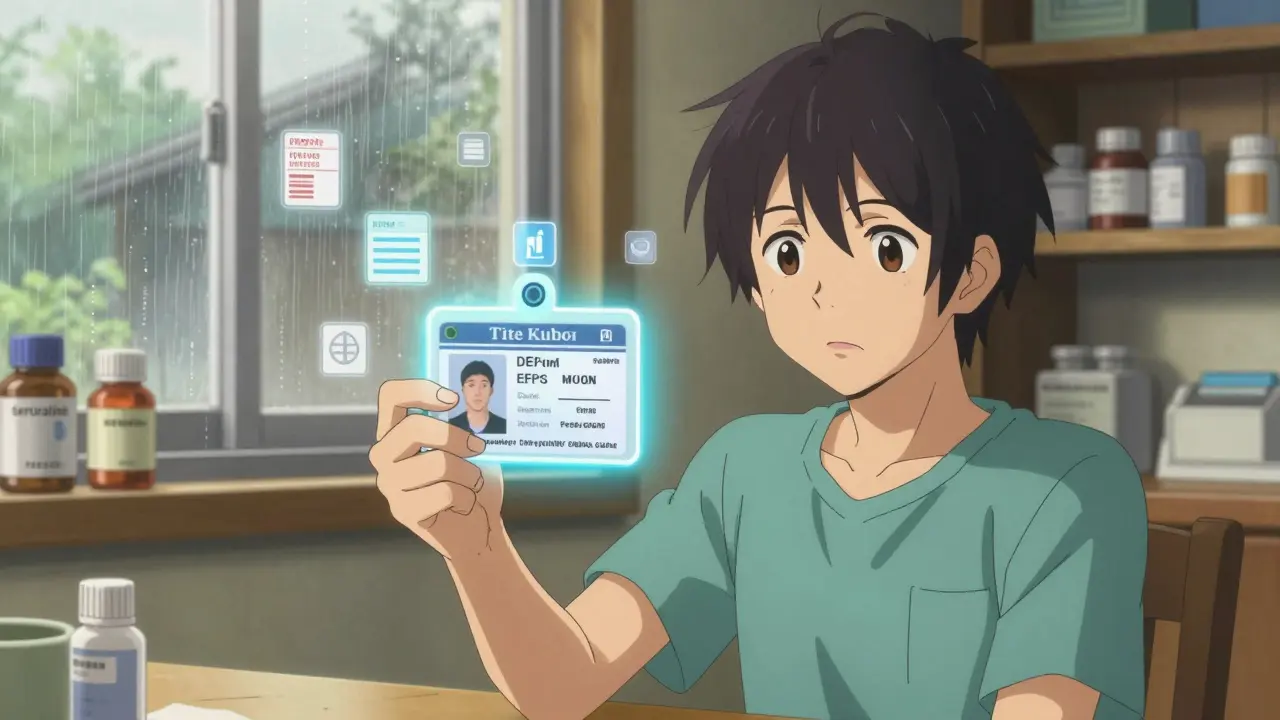
When you get a prescription through a video call, it’s not magic-it’s the new normal. But if you think getting a generic medication like sertraline or metformin online is as simple as ordering a pizza, you’re missing a critical piece of the puzzle. The rules around telemedicine prescriptions, especially for controlled substances, have changed dramatically since 2020-and they’re still changing. By January 2026, the landscape is clearer, but far from simple. Understanding how these rules affect your access to generics is no longer optional-it’s essential for safe, legal, and uninterrupted care.
Telemedicine Prescriptions Are Now a Permanent Part of Healthcare
The pandemic broke the old rules. Before 2020, federal law required an in-person visit before a doctor could prescribe anything from Adderall to buprenorphine over video. That changed overnight. Emergency rules allowed doctors to prescribe controlled substances remotely without ever seeing a patient face-to-face. Those emergency rules were extended multiple times, and now, they’ve been replaced by something permanent.
In January 2025, the DEA introduced three new registration categories for providers who want to prescribe controlled substances via telemedicine. These aren’t temporary fixes-they’re the new baseline. You can no longer rely on the old pandemic-era flexibility. If you’re getting a prescription for a Schedule III-V drug like generic buprenorphine (used for opioid use disorder), your provider must now be registered under one of these new systems. And if they’re not? Your prescription won’t go through.
Generics Are Treated Differently Based on Their Schedule
Not all generics are created equal under federal law. The difference isn’t about the drug’s effectiveness-it’s about its legal classification. Non-controlled generics like sertraline (Zoloft), metformin, or atorvastatin (Lipitor) can be prescribed via telemedicine with no federal restrictions. You can get refills indefinitely, no in-person visit required. That’s why 92% of telehealth platforms now offer these without issue.
But controlled substance generics? That’s a different story. Generic versions of Schedule II drugs like oxycodone, Adderall, or Ritalin still require an in-person evaluation in most cases. Only specific specialists-board-certified psychiatrists, neurologists, hospice doctors, pediatricians, and long-term care physicians-can prescribe them remotely under the new Advanced Telemedicine Prescribing Registration. Primary care doctors? They’re mostly locked out unless they can prove an extreme case, which is rare.
Even Schedule III-V generics like buprenorphine have limits. You can get an initial six-month supply via telemedicine, but after that, you need either an in-person visit or to meet strict ongoing conditions. This creates a real problem: many patients in rural areas don’t have easy access to clinics. Six months might sound like enough time, but addiction treatment guidelines say 12 months of consistent medication-assisted therapy leads to the best outcomes. The current rule contradicts clinical evidence-and patients are feeling it.
What Providers Must Do to Prescribe Legally
If you’re a patient, you might not see the paperwork behind your prescription-but your provider is drowning in it. To prescribe controlled substances via telemedicine, doctors now have to:
- Register with the DEA under one of the new categories
- Verify your identity using a government-issued photo ID during the video visit
- Check your state’s Prescription Drug Monitoring Program (PDMP) before writing any prescription
- Document the exact date and time of that PDMP check in your medical record
- Use electronic prescribing for controlled substances (EPCS)-no paper or faxed scripts allowed
That’s not just extra steps-it’s a time sink. A family doctor in Montana told the American Telemedicine Association that checking PDMPs across three states adds 15-20 minutes to every appointment. That’s 100+ extra minutes a week, just for compliance. Many practices are cutting back on telemedicine because of this.
And it’s not just paperwork. The DEA rejected 42% of initial registration applications in early 2025 because of incomplete PDMP documentation. One missed timestamp, one unverified ID, and your entire telemedicine prescribing privilege gets suspended.

Why Some Pharmacies Still Reject Your Prescription
Even if your doctor follows every rule, your pharmacy might still refuse to fill the script. Why? Because pharmacists aren’t trained on the new rules.
On Reddit, a telepsychiatry provider shared that three of their prescriptions were rejected this month-not because they were invalid, but because the pharmacy in Nevada didn’t recognize a California-based doctor prescribing under the new DEA rules. The rules say it’s legal. The pharmacy says it’s not. That’s the gray zone right now.
Pharmacies are still using old systems. Only 37% of telehealth platforms have fully integrated PDMP data into their workflow. That means even if your doctor did everything right, the pharmacy might not see the proof. And without that proof, they won’t fill it.
It’s not just about location. Some states have their own rules that override federal ones. Arkansas, for example, still bans all telemedicine prescriptions for controlled substances unless there’s been an in-person visit first. So if you live there, your doctor-even if they’re registered under the new DEA system-can’t legally prescribe you buprenorphine remotely.
What This Means for Patients
Here’s the bottom line for you as a patient:
- If you’re on a non-controlled generic (like sertraline, metformin, or lisinopril), telemedicine is easy. Refills are automatic, and you can manage everything online.
- If you’re on a controlled substance generic (like buprenorphine, Adderall, or oxycodone), you’re now playing by stricter rules. You’ll need to verify your identity every time, your provider must check your state’s drug monitoring system, and you might hit a six-month wall.
- You might need to switch providers if your current one isn’t registered under the new DEA categories. Not all telehealth platforms are compliant yet-only 31 out of 127 have completed the full registration.
- If you’re in a rural area or have mobility issues, the six-month limit for addiction treatment could force you to travel hundreds of miles just to get your next refill. That’s not just inconvenient-it’s dangerous.
On the positive side, patient advocacy groups report that 73% of people using telemedicine for buprenorphine say it’s been life-changing. For many, it’s the first time they’ve been able to get consistent treatment without missing work or hiring a ride. The system isn’t perfect, but it’s working for those who can access it.

What’s Coming in 2026
The DEA’s new rules are still being finalized. Public comments closed in early 2025, and the final version is expected by September 2025. But here’s what’s already clear:
- The December 31, 2025 deadline for the old emergency rules is over. If you’re still using those rules in 2026, your prescription is invalid.
- A national PDMP system is being built with $127 million in federal funding-but it won’t be fully functional until late 2027. That means the next two years will be messy.
- Medicare will start requiring patients to have had an in-person mental health visit before continuing telehealth care. That could cut reimbursement for telemedicine prescriptions by nearly half, pushing some providers out of the space entirely.
- Industry analysts predict a 15-20% drop in telemedicine-based controlled substance prescribing by 2026 as platforms adjust to the new costs and complexity.
For non-controlled generics, the future is bright. Demand is growing at 28.4% per year, and platforms are investing heavily in automation. You’ll see faster refills, AI-assisted monitoring, and better integration with your pharmacy.
But for controlled substances? It’s a balancing act. The goal is to expand access without enabling misuse. The current system tries to do both-but it’s still falling short for many patients who need it most.
How to Protect Your Access
If you rely on telemedicine for your medications, here’s what to do now:
- Confirm your provider is registered under one of the DEA’s new telemedicine categories. Ask them directly-they should be able to tell you which one.
- Make sure your state’s PDMP is integrated with your provider’s system. If they’re not checking it, your prescription may be flagged.
- Keep your government-issued ID ready for every video visit. No ID, no prescription.
- Plan ahead for your six-month renewal if you’re on buprenorphine or similar drugs. Start scheduling your in-person visit or telemedicine follow-up before the six months are up.
- Call your pharmacy ahead of time. Ask if they’ve been trained on the new DEA rules. If they say no, ask them to call the DEA’s telemedicine resource center.
Telemedicine prescriptions for generics aren’t going away. They’re here to stay. But the rules are tighter, the paperwork is heavier, and the stakes are higher. Knowing how the system works isn’t just helpful-it’s the only way to make sure you don’t lose access to the medication you need.
Can I get a generic medication like sertraline through telemedicine without an in-person visit?
Yes. Non-controlled generics like sertraline, metformin, and atorvastatin can be prescribed via telemedicine with no federal restrictions. You can get refills indefinitely without ever needing to see a doctor in person. This applies to most common medications for depression, diabetes, and high blood pressure.
Why can’t I get buprenorphine refills after six months through telemedicine?
Federal rules limit initial telemedicine prescriptions for Schedule III-V controlled substances, including generic buprenorphine, to a six-month supply. After that, you must have an in-person evaluation or meet specific ongoing conditions to continue receiving prescriptions remotely. This rule was designed to prevent misuse, but critics argue it disrupts care for patients in rural areas who can’t easily access clinics.
Do I need to show ID every time I get a telemedicine prescription?
Yes. For any controlled substance prescription (like buprenorphine, Adderall, or oxycodone), your provider is required to verify your identity using a government-issued photo ID during the video visit. This is mandatory under DEA rules and must be documented in your medical record. Even if you’ve been seeing the same provider for years, you’ll need to show ID each time.
Can my pharmacy refuse to fill a telemedicine prescription even if my doctor followed all the rules?
Yes. Many pharmacies haven’t updated their systems or trained staff on the new DEA rules. Even if your provider followed every requirement-verified your ID, checked the PDMP, used EPCS-your pharmacy might still reject the prescription because they don’t recognize the rules. Always call ahead to confirm your pharmacy is prepared to fill telemedicine-controlled substance prescriptions.
Are there states that ban telemedicine prescriptions entirely?
Yes. Arkansas prohibits telemedicine prescriptions for any controlled substances unless there’s been a prior in-person evaluation. Other states like Texas and Florida have additional restrictions on specific drugs or require extra documentation. Always check your state’s medical board guidelines, because state rules can override federal allowances.
What happens if my provider isn’t registered under the new DEA telemedicine categories?
If your provider isn’t registered under one of the DEA’s new telemedicine prescribing categories, any controlled substance prescription they issue after January 1, 2026, is invalid. Pharmacies will not fill it, and it could lead to legal consequences for the provider. You should ask your provider which DEA registration they hold-or consider switching to a platform that’s clearly compliant.


Christina Bilotti
January 16 2026Oh sweet mercy, another ‘telemedicine is the future’ thinkpiece that ignores how this is just bureaucratic theater with extra steps. You think people care about DEA registration categories? No. They care about whether their buprenorphine gets filled. And guess what? Half the pharmacies still think ‘telemedicine’ is a buzzword for ‘fraud’. The system isn’t broken-it’s deliberately designed to make rural patients jump through flaming hoops while the DEA sips lattes in D.C. And don’t get me started on ‘state rules override federal’. That’s not policy, that’s chaos with a PowerPoint.
Also, 31 out of 127 platforms registered? That’s not compliance. That’s a funeral for access. If you’re still using the old emergency rules in 2026, you’re not just non-compliant-you’re delusional. And yes, I’m the person who had to call the DEA hotline at 2 a.m. because my pharmacy rejected a perfectly valid script. Don’t ask me how I know.
TL;DR: If you’re not screaming into the void about this, you’re part of the problem.