
Generic medications save money but introduce unique risks like look-alike pills, changing manufacturers, and outdated databases. Learn how pharmacists can prevent and correct these errors using technology, counseling, and simple safety checks.

Brand companies launch authorized generics not to help patients, but to protect profits. These are the exact same drugs as the brand, sold cheaper. Here’s how they use this tactic to beat generic competition and keep revenue flowing.
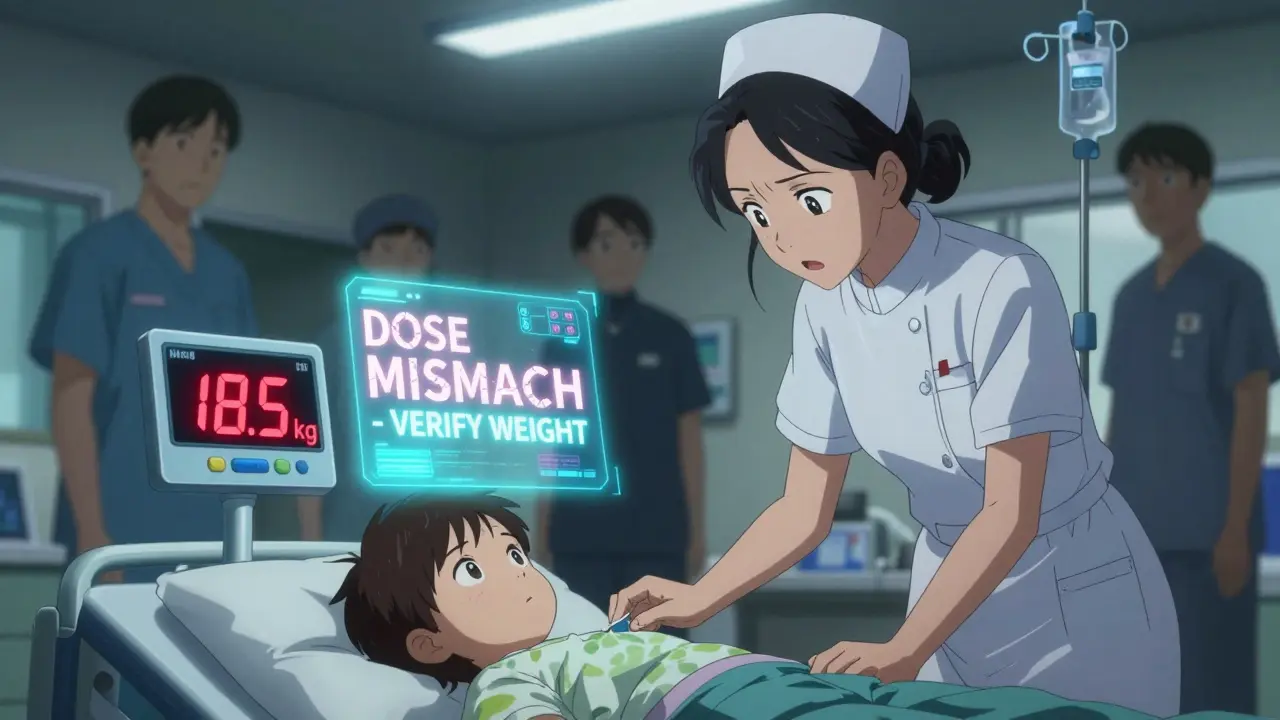
Pediatric medication errors often stem from weight-based dosing mistakes. Learn how mandatory weight verification at three key points - prescribing, dispensing, and administration - can prevent life-threatening errors in children.

Levothyroxine and proton pump inhibitors (PPIs) can interfere with each other, reducing thyroid hormone absorption and raising TSH levels. Learn how this common drug interaction works, what to do about it, and what alternatives exist.
Learn the top medication safety questions to ask at the pharmacy to avoid dangerous interactions, side effects, and dosing errors. Get practical advice from pharmacists and real patient stories.
Generic combination products simplify treatment by merging drugs and devices into one easy-to-use system, boosting adherence by 15-25% while cutting costs by up to 80%. Learn how they work and why they matter.
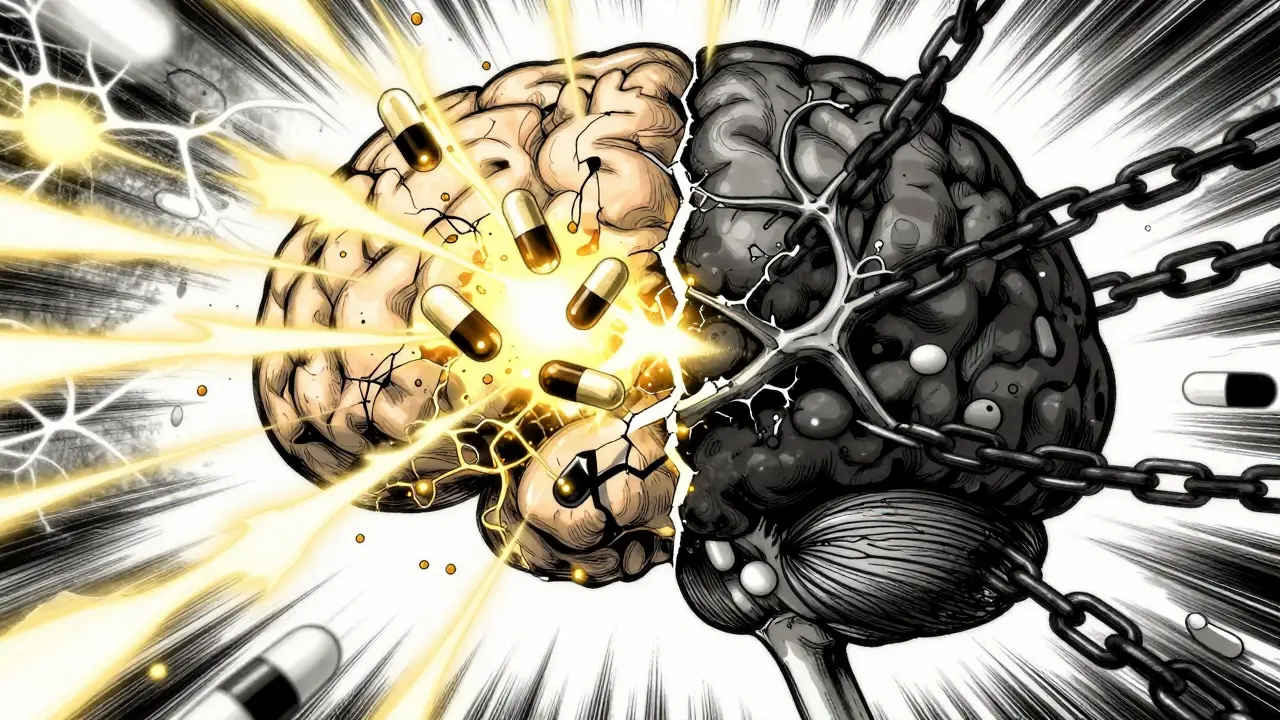
Levodopa and antipsychotics have opposing effects on dopamine, making it dangerous to use them together. Treating Parkinson’s psychosis with antipsychotics often worsens motor symptoms, while levodopa can trigger hallucinations in schizophrenia patients. Learn how this drug conflict works and what newer treatments are offering.

Bioequivalence ensures generic drugs work the same as brand-name ones. The FDA requires strict testing of absorption rates using Cmax and AUC metrics, with a 80-125% confidence interval. This science-backed standard keeps generics safe, effective, and affordable.
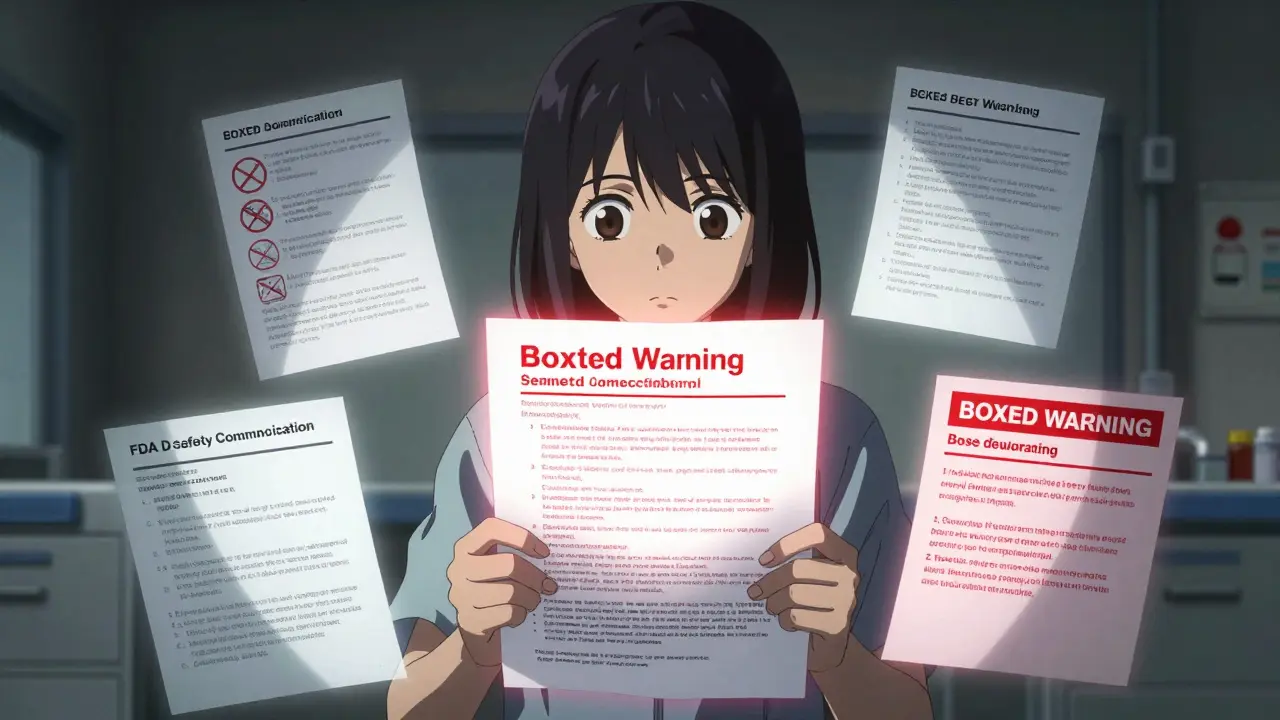
Learn how to read FDA safety communications about your medications. Know what to look for, when to act, and how to get alerts before your doctor does. Your health depends on it.
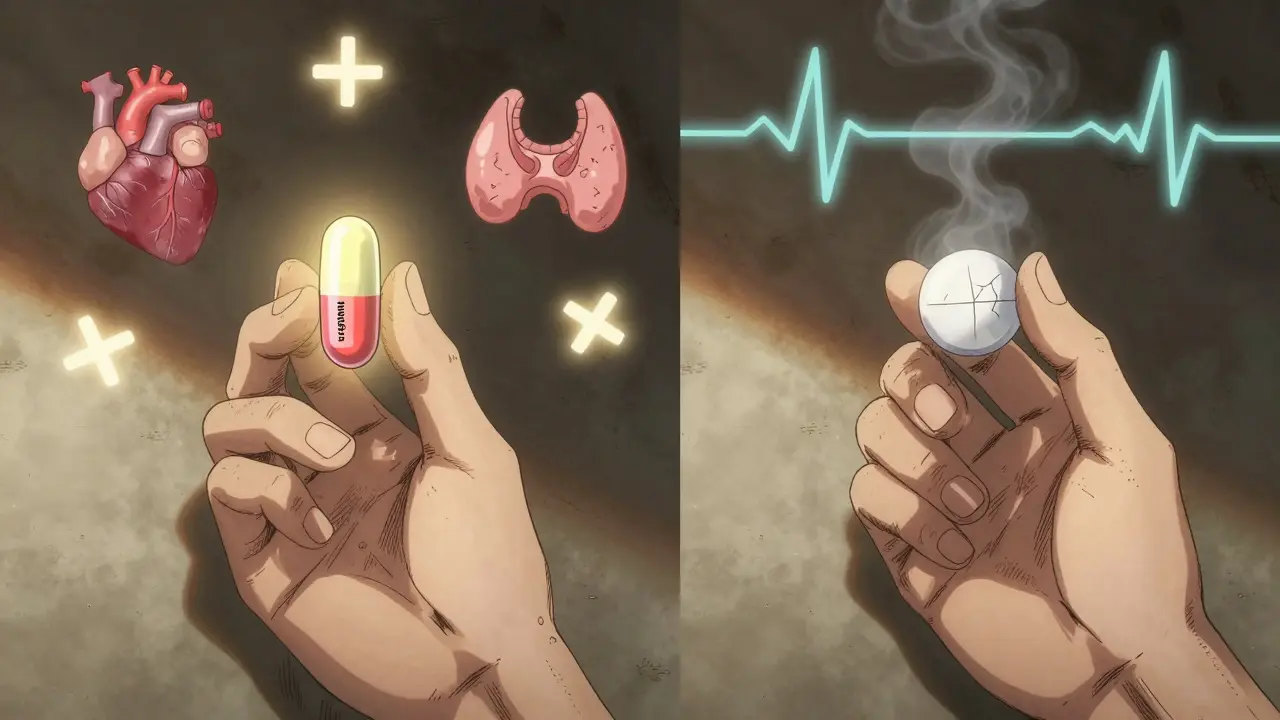
Long-term safety studies show generics are usually as safe as brand-name drugs, but for critical medications like thyroid or seizure drugs, small differences in manufacturing can lead to serious side effects. Here’s what the data really says.