
Generic drugs save billions, but too much competition is causing dangerous shortages. Why some essential medications vanish-and how we can fix it.
Gabapentinoids and opioids together can cause life-threatening respiratory depression. Learn why this combination is dangerous, who’s at risk, and what safer alternatives exist.
Learn how to ask the right questions about drug interactions when you get a new prescription. Protect yourself from dangerous reactions with these 7 essential questions and practical steps.
Many medications - from antibiotics to decongestants to thyroid pills - can cause palpitations and rapid heartbeat. Learn which ones are most risky, how doctors evaluate them, and what steps to take to stay safe.
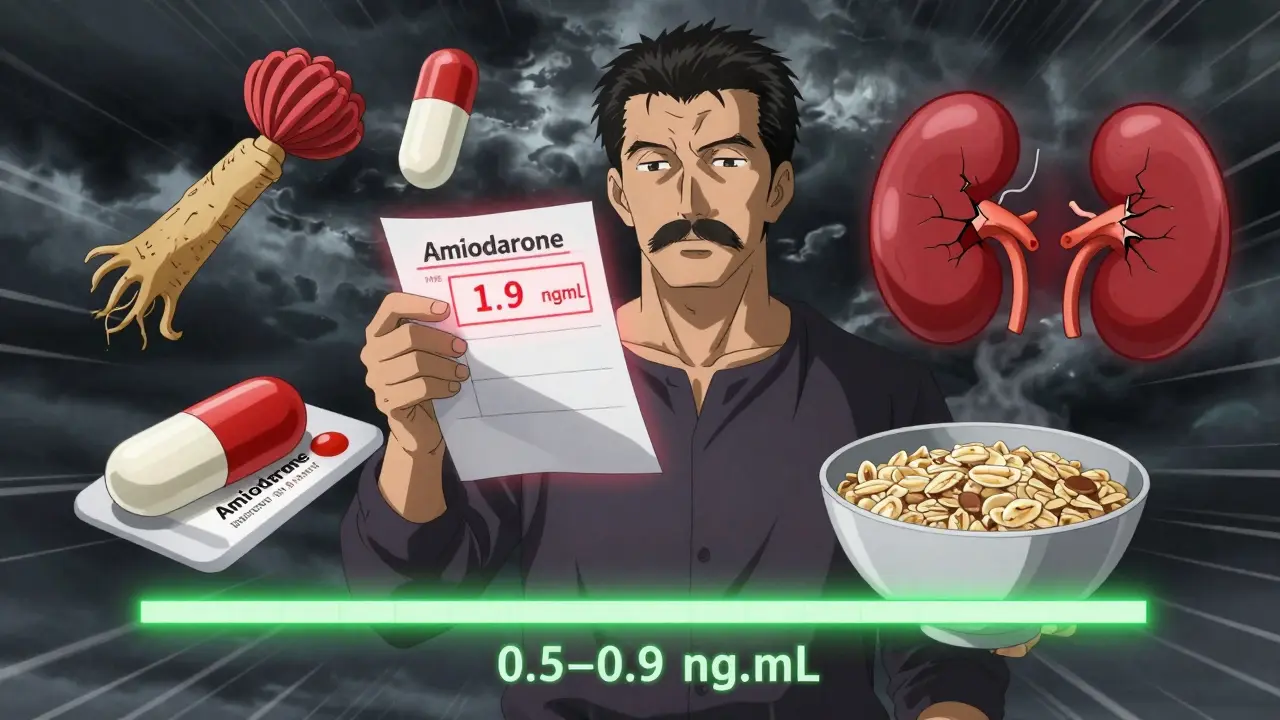
Digoxin helps manage heart failure and atrial fibrillation, but its narrow safety window makes interactions with other drugs, foods, and supplements dangerous. Learn what to monitor to avoid toxicity.
Isotretinoin is the most effective treatment for severe acne, with 80% of patients achieving long-term clearance. Learn about lab monitoring, dosing options, side effects, and what to expect during and after treatment.
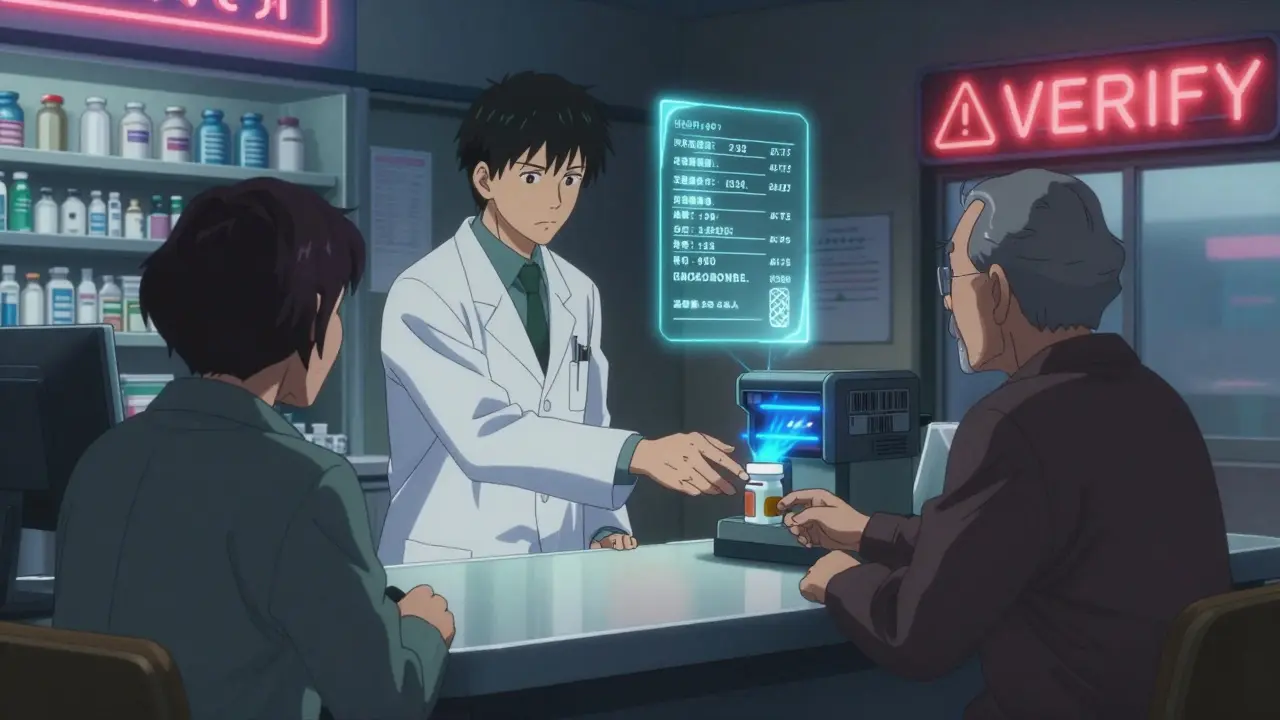
Wrong-patient errors at pharmacies can lead to serious harm or death. Learn how dual verification, barcode scanning, and patient counseling work together to prevent these preventable mistakes-backed by data from leading pharmacy chains and safety organizations.
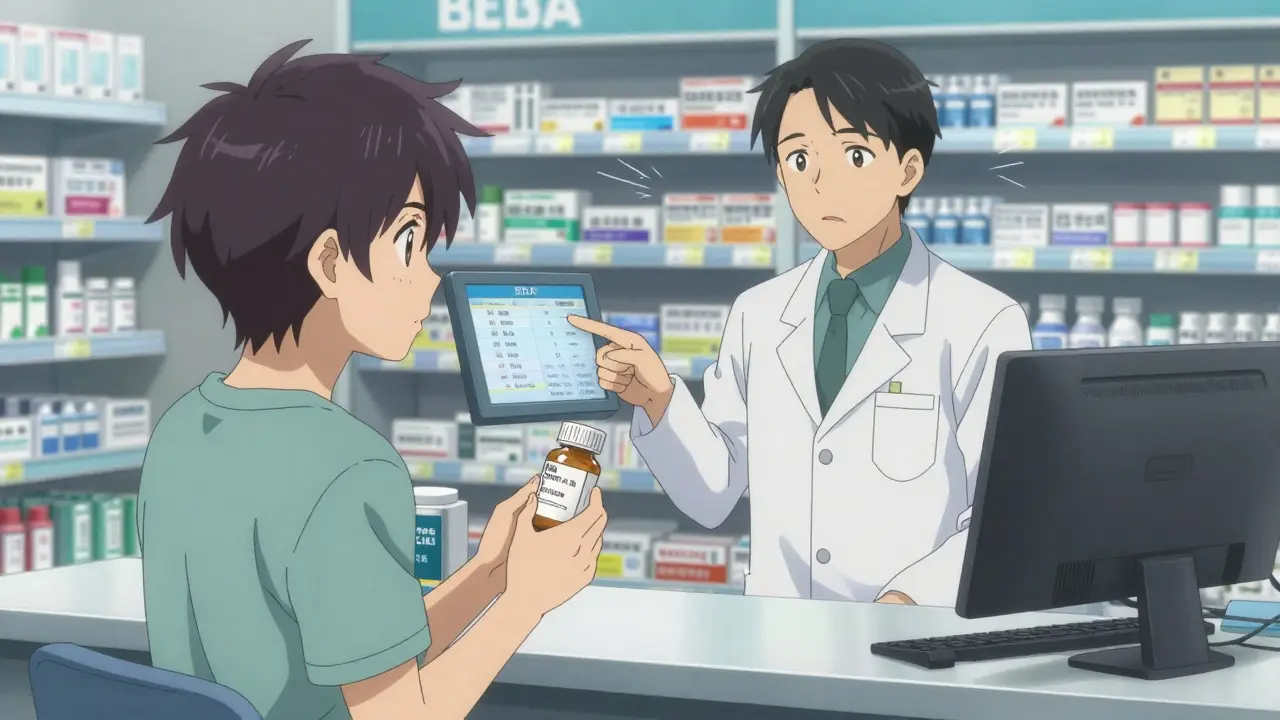
Understand how your state handles generic and biosimilar drug substitutions. Learn when pharmacists can switch your meds, what rights you have, and how to protect your health under state-specific laws.
The FDA extends expiration dates for critical drugs during shortages to prevent supply gaps. This data-driven process ensures patient safety while keeping essential medications available until new production arrives.
Generic combination products combine drugs and devices, but replacing them with generics isn't simple. Even if both parts are generic, they must be approved as a matched system-otherwise, they're not safe or legal substitutes.