

Portal vein thrombosis is a serious but treatable condition. Early diagnosis and anticoagulation can prevent complications and restore blood flow to the liver. Learn who should be treated, which drugs work best, and how to avoid deadly mistakes.
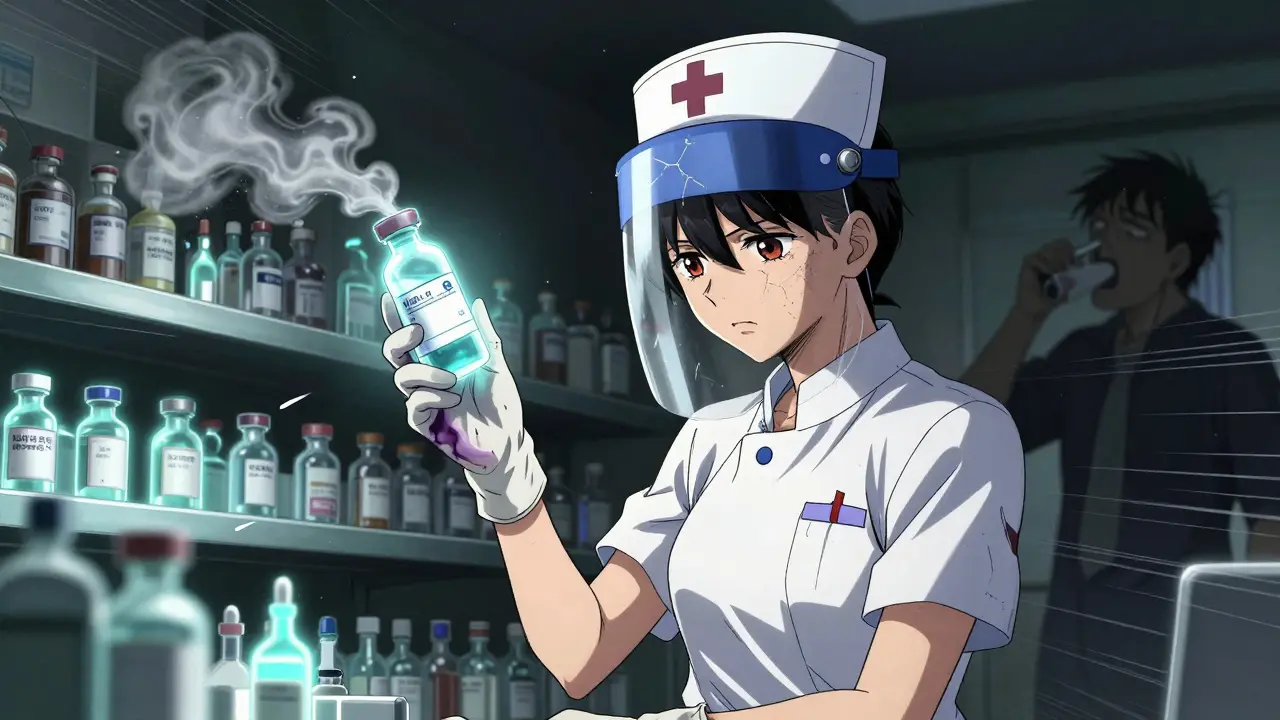
Medications can impair worker safety or expose employees to dangerous substances. Learn how opioids, chemotherapy drugs, and workplace policies affect health and safety-and what’s being done to protect workers.

Learn how to manage chronic back pain through physical therapy, safe medications, and daily self-care. Discover proven strategies that reduce pain without opioids, backed by current medical research and real-world data.

Chronic eczema is caused by a broken skin barrier, not just dryness. Learn how ceramide-based repair, avoiding triggers, and proper application can reduce flares, stop itching, and cut steroid use - backed by science and real user results.

Cervical and lumbar radiculopathy cause nerve pain that radiates from the neck or lower back. Learn how to identify the symptoms, understand the causes, and follow evidence-based rehab steps to recover without surgery.

Botox for migraine is an FDA-approved preventive treatment for chronic migraine sufferers who haven't responded to oral medications. It works by blocking pain signals and reducing inflammation, with results appearing after multiple treatment cycles.

Opioid-induced constipation affects 40-95% of chronic opioid users and doesn't improve with fiber or standard laxatives. Learn what actually works-from first-line treatments to prescription PAMORAs-and how to get relief without sacrificing pain control.
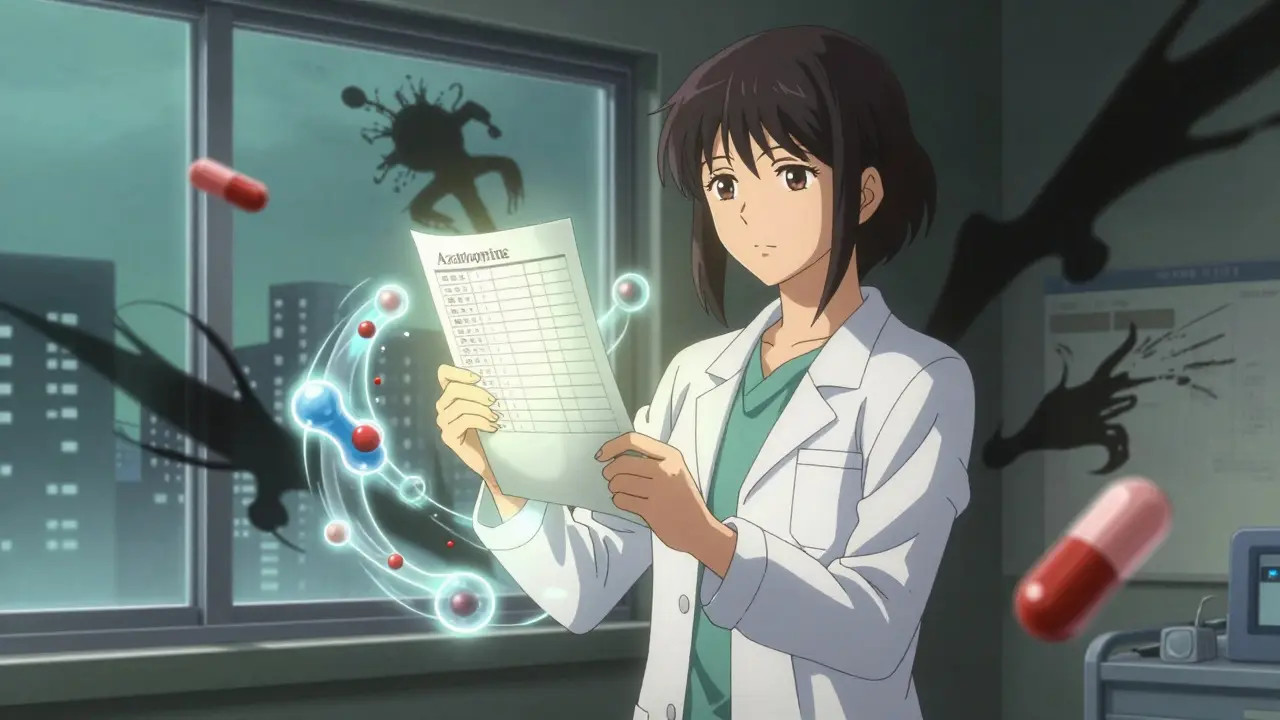
Learn the real risks of immunosuppressants on fertility and pregnancy. From azathioprine safety to cyclophosphamide damage, get clear, evidence-based guidance on which drugs are safe-and what to do before trying to conceive.
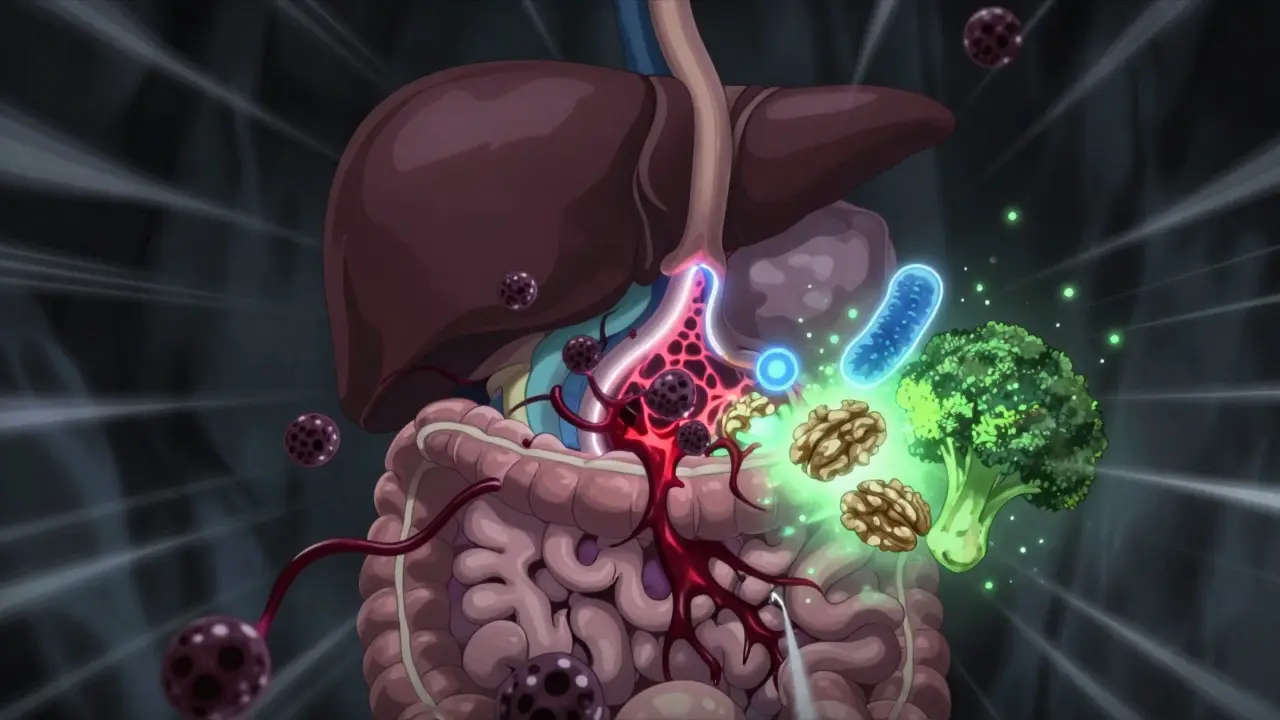
Discover how diet and weight loss can reverse nonalcoholic fatty liver disease by healing your gut. Learn what foods help, which probiotics work, and how losing just 5% of your weight can transform your liver health.

Most perforated eardrums heal on their own in 3 to 8 weeks. Learn the exact timeline, what to avoid, when to see a doctor, and how to protect your ear to prevent infection and permanent hearing loss.