
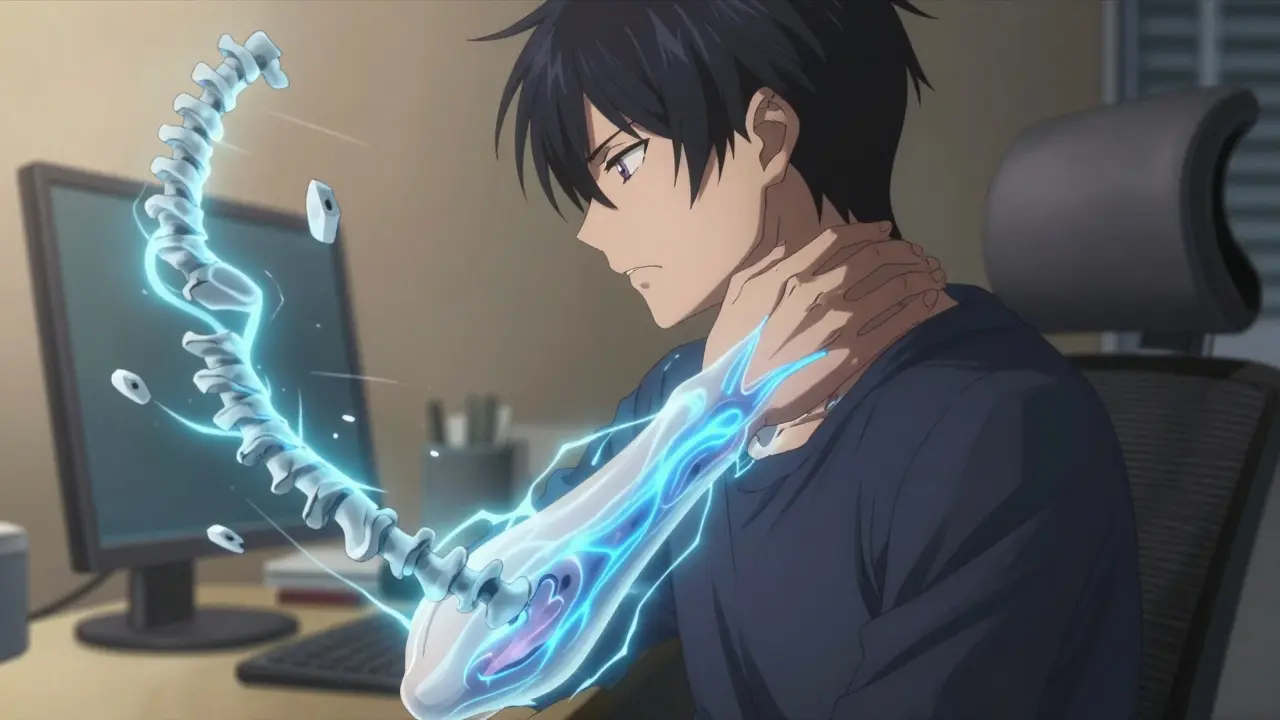
When your neck or lower back sends sharp, shooting pain down your arm or leg, it’s not just a muscle cramp. It’s your nerve screaming for help. This is radiculopathy - a condition where a nerve root gets pinched, irritated, or compressed as it leaves your spine. It’s common, often misunderstood, and usually treatable without surgery. But knowing the difference between cervical and lumbar radiculopathy makes all the difference in how you recover.
What Exactly Is Radiculopathy?
Radiculopathy happens when a nerve root - the branch that connects your spinal cord to the rest of your body - gets squeezed. Think of it like a garden hose kinked near the spigot. Water still flows, but it’s weak, uneven, or stops altogether. In your body, that means pain, numbness, tingling, or even muscle weakness in the area the nerve serves. There are two main types: cervical (neck) and lumbar (lower back). Together, they make up 95% of all radiculopathy cases. The good news? About 85% of people get better within 12 weeks using non-surgical methods. The key is knowing what you’re dealing with and following the right steps.Cervical Radiculopathy: Neck Pain That Radiates
Cervical radiculopathy starts in your neck and travels down your arm. The most common culprits are the C6 and C7 nerve roots. If C7 is affected, you’ll feel pain or numbness in your middle finger, and your triceps might feel weak - like you can’t push a heavy door open. If C6 is involved, the pain runs from your shoulder to your thumb and index finger, and you might notice your biceps aren’t as strong. People under 50 usually get this from a herniated disc - a soft cushion between the vertebrae bulging out and pressing on the nerve. Over 50? It’s more likely degeneration. Bone spurs form, the space where the nerve exits narrows, and the nerve gets irritated. Trauma, like a car accident or fall, causes about 23% of cervical cases - higher than in the lower back. Symptoms often feel worse when you turn your head, lift something, or even cough. You might find yourself holding your arm up to relieve the pressure - a classic sign your body is trying to take the strain off the nerve.Lumbar Radiculopathy: The Sciatica Connection
When people say “sciatica,” they’re usually talking about lumbar radiculopathy. It starts in the lower back and shoots down the leg, often all the way to the foot. The L5 and S1 nerves are the most commonly affected. L5 radiculopathy causes pain along the outside of your calf and into your big toe. You might also have foot drop - your foot slaps the ground when you walk because the muscles that lift it are weak. S1 radiculopathy hits the back of your calf and sole of your foot. You’ll feel a burning or electric shock sensation, and your ankle might feel weak. Standing or walking for long periods makes it worse. Sitting helps - which is why so many people with this condition find relief on the couch. Unlike cervical cases, lumbar radiculopathy is strongly linked to work. People who lift heavy objects, drive long hours, or stand on concrete all day are 3.2 times more likely to develop it. And here’s the kicker: lumbar cases tend to be more disabling. On average, people with lumbar radiculopathy report 37% higher disability scores than those with cervical issues. Recovery also takes longer - about 14 weeks on average versus 11 for neck problems.How Is It Diagnosed?
Doctors don’t just guess. They use your symptoms, a physical exam, and imaging. If you can’t raise your leg straight while lying down and it causes pain, that’s a classic sign of sciatica. If you have reduced reflexes or muscle weakness in a specific pattern, it points to a particular nerve root. MRI is the gold standard. It shows soft tissue - discs, nerves, ligaments - with 92% accuracy for cervical disc herniations. CT scans are less precise. X-rays only show bones, so they’re not helpful for nerve compression. A new tool, MedoScan RAD, got FDA approval in early 2023. It’s an AI software that analyzes MRI scans and improves detection accuracy from 89% to nearly 97%. It’s not everywhere yet, but it’s changing how quickly and accurately radiculopathy is diagnosed.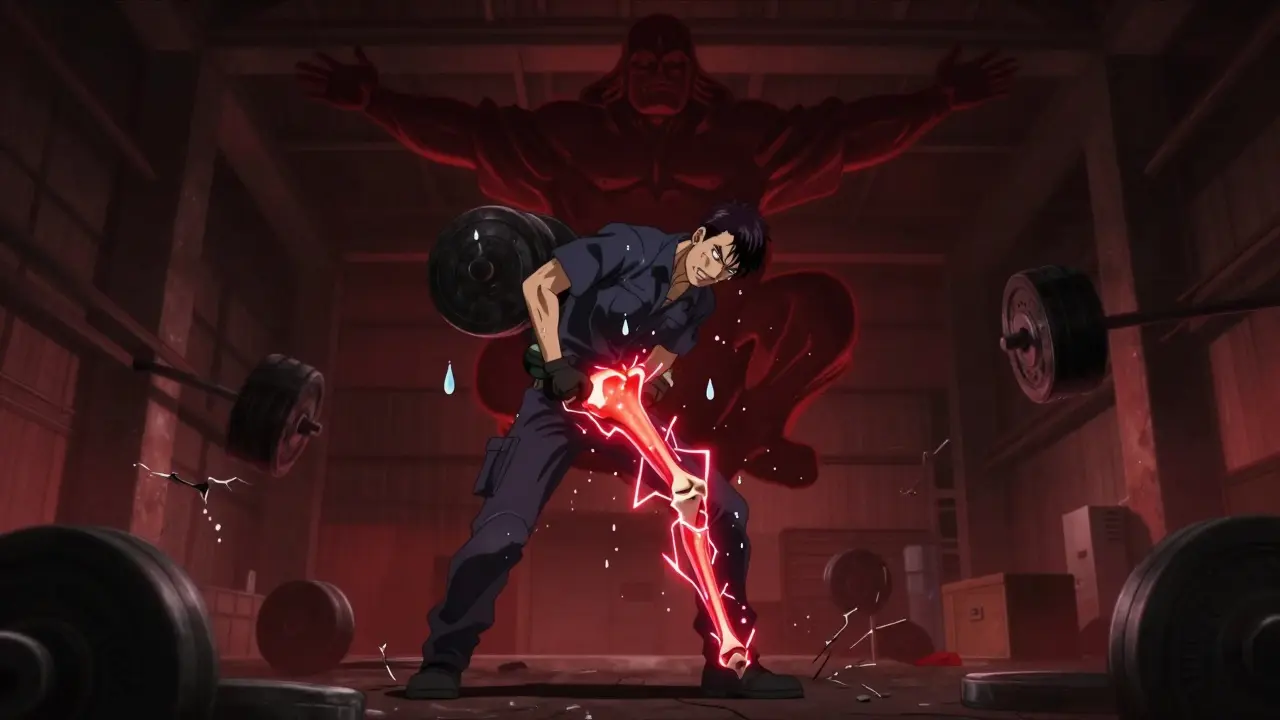
Conservative Treatment: The First and Best Step
Surgery is not the first answer - and shouldn’t be the default. The American College of Physicians and the American Academy of Physical Medicine and Rehabilitation both recommend at least 6 to 8 weeks of conservative care before considering anything invasive. The standard approach starts with rest, over-the-counter pain relievers like ibuprofen (400mg three times a day), and avoiding activities that make it worse. Then comes physical therapy - and this is where most people succeed or fail. For cervical radiculopathy, physical therapy starts with gentle neck stretches and traction (a light pull on the neck using a harness). After a couple of weeks, you move to isometric exercises - pushing your head gently against your hand without moving it. These strengthen the deep neck muscles without stressing the nerve. Later, you add shoulder blade squeezes and chin tucks - simple moves that improve posture and take pressure off the spine. Lumbar rehab focuses on extension exercises, like the McKenzie maneuver: lying on your stomach and propping yourself up on your elbows. This opens up the space around the nerve. Core strengthening is critical - planks, bird-dogs, and glute bridges help stabilize your lower back. Patients who stick with their home exercises recover 47% faster than those who don’t.What About Injections?
Epidural steroid injections are common, but they’re controversial. The Cochrane Database says they offer only short-term relief - maybe 2 to 6 weeks - with no lasting benefit. Yet in a survey of pain specialists, 58% say they see real improvement in their patients. Why the gap? It’s likely because injections work better for some people than others. If your pain is caused by inflammation around the nerve, steroids can calm it down. If it’s pure mechanical compression - like a bone spur pinching the nerve - steroids won’t fix that. Patients on forums often report injections as “life-changing,” but those are the outliers. For most, they’re a temporary bridge, not a cure.Why Personalized Rehab Works Better
A PatientPing survey of 2,300 people found something surprising: those who got a rehab plan tailored to their specific nerve root and lifestyle had an 89% satisfaction rate. Those on generic programs? Only 61%. The difference? Personalization. One patient with C6 radiculopathy was a pianist. Her therapy focused on finger dexterity and wrist positioning. Another, a warehouse worker with L5 radiculopathy, got a lifting technique class and custom insoles. Both recovered faster because their rehab matched their life - not a textbook. Standardized programs often fail because they ignore context. If you sit at a desk all day, your pillow height matters. If you drive a truck, your seat angle affects your spine. If you lift boxes for a living, your core strength is non-negotiable.What Not to Do
Many people make the same mistakes - and end up stuck. - Returning to heavy lifting too soon: This causes 28% of symptom recurrences. Wait until your strength and movement are fully restored. - Skipping home exercises: 61% of people who don’t improve admit they didn’t do their daily stretches or strengthening. - Using the wrong pillow: For cervical cases, a pillow that keeps your neck in line with your spine is essential. Too high or too flat? It’ll flare up. - Ignoring posture: Slouching at your desk or hunching over your phone adds constant pressure to your spine. Even small adjustments - like raising your screen to eye level - reduce symptoms by 32%.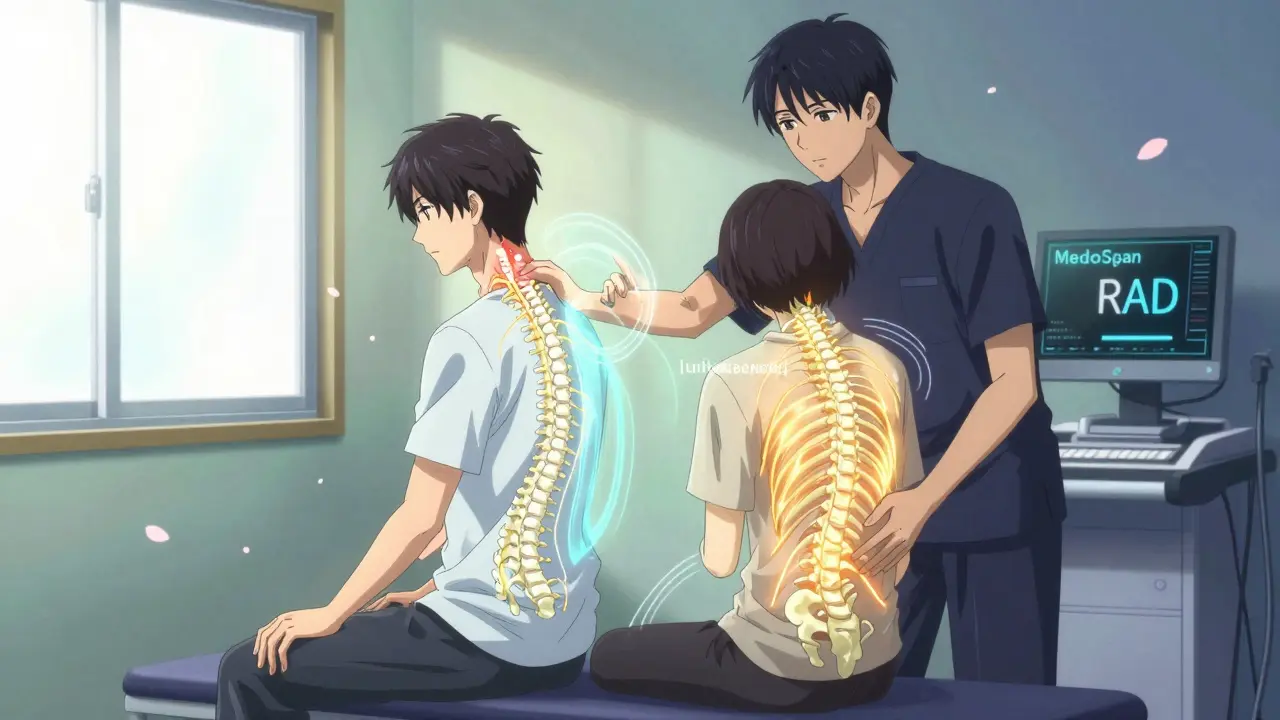
When to Seek Immediate Help
Most cases get better with time and therapy. But some need urgent attention. Go to the ER if you have: - Sudden loss of bladder or bowel control - Numbness in your groin or inner thighs - Progressive weakness in your legs or arms - Severe pain that doesn’t respond to rest or medication These are signs of cauda equina syndrome - a rare but serious condition where the bundle of nerves at the bottom of your spine is compressed. Surgery within hours can prevent permanent damage.The Bigger Picture
Radiculopathy affects 1.4 million Americans each year. It’s the reason 17.6 million workdays are lost annually. Construction workers, nurses, truck drivers - anyone who moves, lifts, or sits for long hours is at risk. The cost of conservative care averages $1,850 per person. Surgery? Around $28,400. That’s why guidelines push for rehab first. And with new tools like AI-enhanced imaging and personalized exercise programs, outcomes are getting better. Long-term, 82% of people return to their normal activities within a year. Only 8% develop chronic pain. That’s hopeful. But it doesn’t happen by accident. It happens because people listened to their bodies, stuck with rehab, and avoided the quick fixes that don’t fix anything.What You Can Do Today
If you’re dealing with nerve pain:- Don’t panic. Most cases get better.
- See a physical therapist who specializes in spine rehab - not just general exercise.
- Track your symptoms: Where does the pain go? What makes it better or worse?
- Start gentle movement. Walking 20 minutes a day helps more than you think.
- Fix your workstation. Raise your screen. Use a lumbar roll. Change positions every 30 minutes.
- Be patient. Recovery isn’t linear. Some days are good. Some are bad. Keep going.
Frequently Asked Questions
Can radiculopathy go away on its own?
Yes, in about 85% of cases, symptoms improve within 12 weeks without surgery. Rest, gentle movement, and avoiding aggravating activities are key. But waiting doesn’t mean ignoring it - early physical therapy speeds up recovery and reduces the chance of long-term issues.
Is sciatica the same as lumbar radiculopathy?
Sciatica is a symptom, not a diagnosis. It’s the pain that runs down the leg, usually from L5 or S1 nerve compression. Lumbar radiculopathy is the underlying condition causing that pain. So yes - sciatica is often caused by lumbar radiculopathy, but not all radiculopathy causes sciatica.
How long does physical therapy take for radiculopathy?
Most people need 12 to 16 sessions over 8 to 12 weeks. The first few weeks focus on reducing pain and improving movement. Later sessions build strength and stability. Home exercises are just as important as clinic visits - people who do them daily recover nearly twice as fast.
Can stress make radiculopathy worse?
Absolutely. Stress increases muscle tension, especially in the neck and lower back, which can compress nerves further. It also lowers your pain threshold, making discomfort feel worse. Managing stress through breathing, sleep, or even talking to a counselor can be part of your recovery plan.
Will I need surgery?
Only about 15% of people with radiculopathy need surgery. It’s considered if pain is severe, neurological symptoms keep getting worse, or conservative treatment fails after 3 months. Most people avoid surgery by sticking with rehab, posture changes, and activity modification.
Can I exercise with radiculopathy?
Yes - but not all exercise is safe. Avoid heavy lifting, twisting, or high-impact activities early on. Walking, swimming, and stationary biking are excellent. Once pain improves, targeted strength and mobility work under a therapist’s guidance helps prevent recurrence. Movement is medicine - just not the wrong kind.


owori patrick
February 1 2026Been dealing with this for months-finally found a PT who actually knows what they’re doing. No more guessing games. Just gentle moves, better posture, and honestly? Walking every day changed everything. No magic pills, just consistency.
Also, pillow height? Huge deal. I was using this fluffy thing like a cloud. Switched to a memory foam wedge and my neck stopped screaming at 3 a.m.
Anyone else notice how stress makes it worse? I started meditating for 5 mins before bed and wow. Game changer.