
When you pick up a prescription, the label on the bottle isn’t just a reminder—it’s your prescription drug labeling, the official, legally required text that tells you how to safely use a medication. Also known as medication labeling, it’s the single most important source of truth about what’s in your pill bottle, why you’re taking it, and what could go wrong. This isn’t marketing fluff. It’s the law. The FDA requires every prescription label to include the drug name, dosage, instructions, warnings, and prescriber details. But what you don’t see on the label—like interactions, long-term risks, or how it compares to alternatives—is just as critical.
Behind every label is a system designed to protect you, but it’s not perfect. FDA labeling, the federal standard that governs how drugs are described to patients and providers sets the baseline, but real-world use often reveals gaps. For example, a label might warn about drowsiness from an opioid, but not mention that constipation can become severe enough to require hospitalization. Or it might list a drug interaction with antifungals like itraconazole, but not explain how to time doses to avoid treatment failure. Even medication safety, the practice of preventing harm from drug use through clear communication and verification depends on how well you understand what’s printed—or what’s left out.
Prescription labels also don’t tell you about the hidden costs or pharmacy practices that affect what you actually pay. Generic substitution might lower your bill, but if the pharmacy’s reimbursement model favors expensive generics, you’re still losing. And while labels list side effects like dry mouth from atorvastatin or nausea from opioids, they rarely offer practical fixes—like chewing xylitol gum or adjusting your diet for cirrhosis-related protein needs. The real work happens after you leave the pharmacy: asking questions, checking for interactions, and knowing when to push back if something doesn’t feel right.
That’s why this collection exists. Below, you’ll find clear, no-nonsense guides on what prescription drug labeling actually covers—and what it hides. Learn how to read between the lines of your label, spot dangerous interactions like those between PPIs and antifungals, understand why first generic approval can slash your costs, and recognize when an allergy alert is just noise. You’ll see how dose changes get miscommunicated, why excipients matter more than you think, and how to use your label to avoid errors that could land you in the ER. These aren’t theory pieces. They’re tools built from real cases, real mistakes, and real savings.

The FDA is set to require standardized Patient Medication Information (PMI) for all outpatient prescriptions by 2025. This single-page guide aims to cut medication errors, improve understanding, and make safety info consistent across all pharmacies.
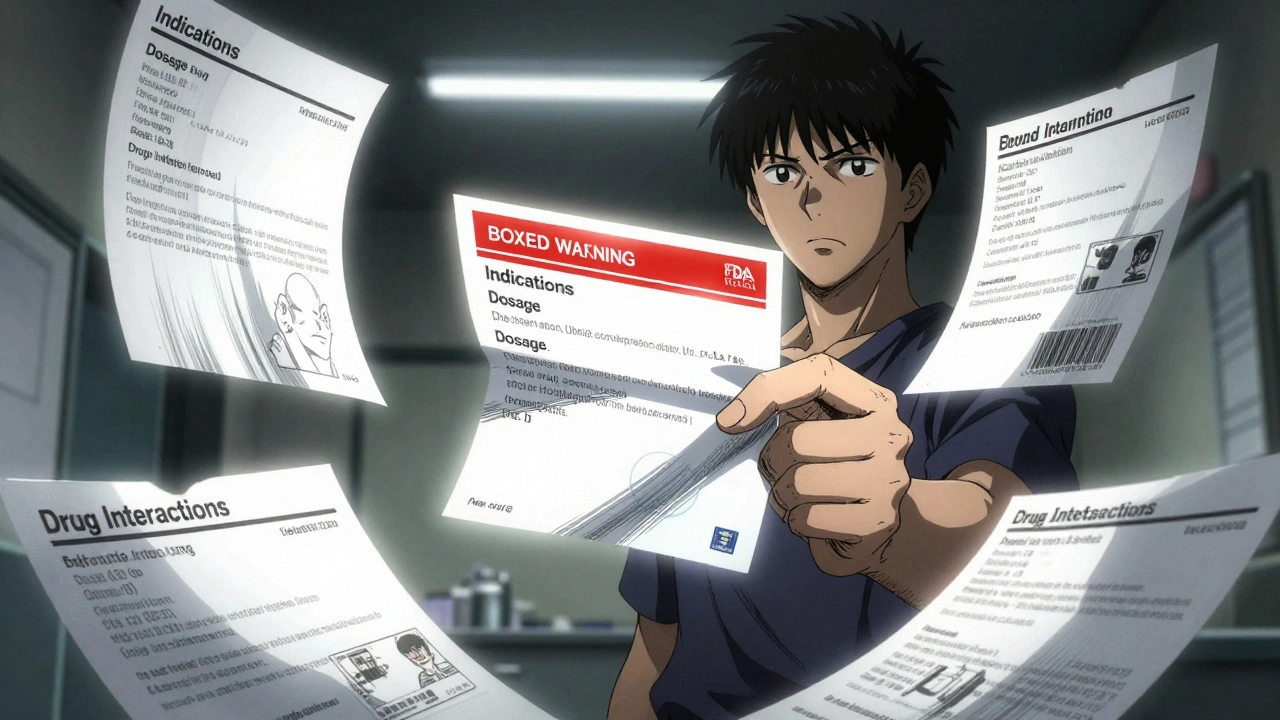
Learn how to read FDA drug labels to spot critical safety info like Boxed Warnings, dosing rules, and drug interactions. Stop guessing-use the official label to avoid mistakes and stay safe.