
When you take your medicine exactly as your doctor tells you, that’s medication adherence, the practice of following a prescribed drug regimen without skipping, delaying, or stopping doses. Also known as drug compliance, it’s not just a checklist item—it’s the single biggest factor in whether your treatment actually works. You could be on the perfect drug for your condition, but if you skip doses, take too much, or stop early, you’re not getting the benefit. And worse—you might make things worse.
Why do people miss doses? It’s not laziness. It’s often confusion—like not knowing if a pill is for morning or night. Or cost—some people skip doses because they can’t afford the next refill. Others forget because they’re on five different meds, or they feel fine and think they don’t need it anymore. Some even stop because of side effects they didn’t know were normal. Missed doses, a common breakdown in treatment plans that leads to hospitalizations and worsening disease happen more often than you think. One study found that nearly half of people with chronic conditions don’t take their meds as directed. And it’s not just high blood pressure or diabetes—this happens with antibiotics, antidepressants, even thyroid pills.
What helps? Simple tools work better than complicated systems. A pill organizer with days of the week labeled? That’s gold. Setting a daily phone alarm? Works for most. Talking to your pharmacist about combining pills into one routine? That’s a game-changer. And if cost is the problem, ask about generics—generic drugs, medications with the same active ingredients as brand names but at a fraction of the price—they’re just as safe and effective. Many people don’t realize they can ask their doctor for a 90-day supply to reduce trips to the pharmacy. Or switch to a mail-order service if their insurance covers it.
It’s not just about the pills. It’s about the system around them. If your doctor doesn’t check in on your adherence, you’re being set up to fail. Good care means asking, "How are you doing with your meds?" not just "How’s your blood pressure?" And if you’ve had side effects before, tell your pharmacist—they can help you find alternatives or suggest ways to manage them without quitting.
There’s no magic trick to perfect adherence. But there are real, proven steps that work for real people. The posts below show you exactly how others have tackled this problem—with heart meds, antibiotics, antidepressants, and more. You’ll see what actually helps people stick to their plans, what doesn’t, and how to spot the red flags before they become emergencies. Whether you’re struggling to remember your pills, worried about side effects, or just tired of paying too much, you’ll find practical advice here—not theory, not fluff, just what works.
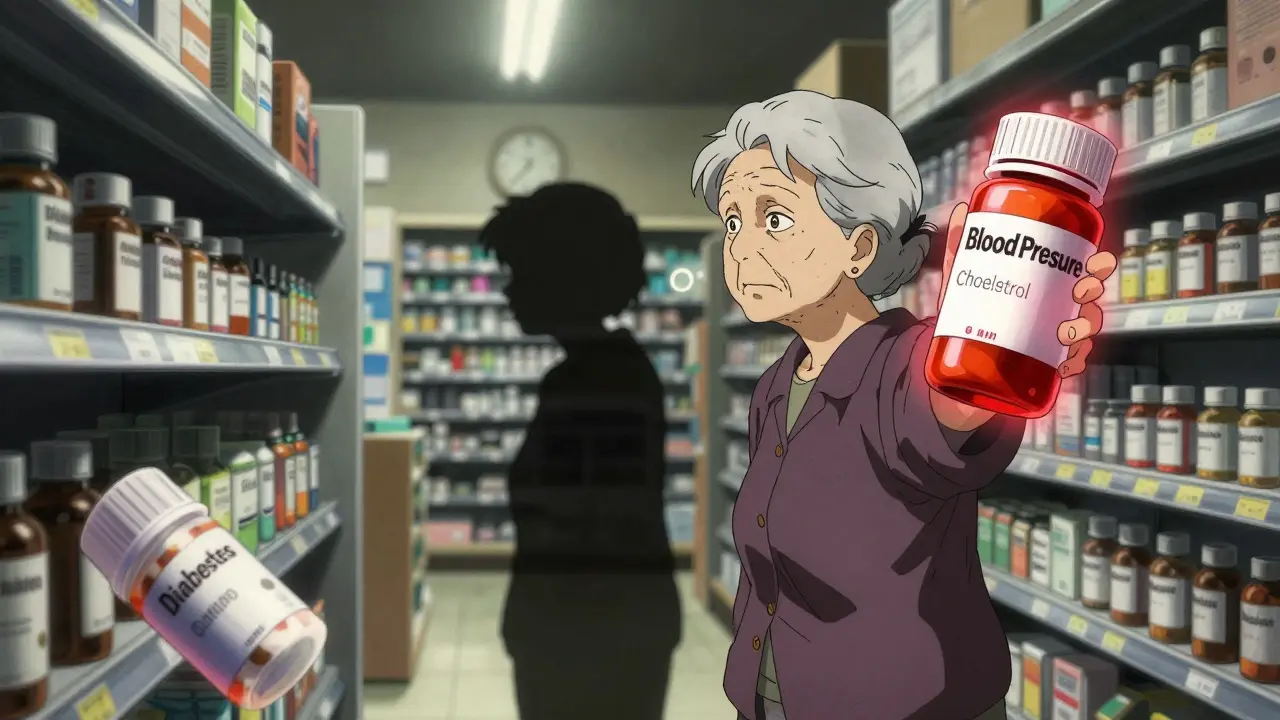
Half of all patients with chronic conditions skip or forget their medications. The reasons aren’t laziness-they’re cost, complexity, forgetfulness, and poor communication. Here’s what actually causes nonadherence-and how to fix it.

Generic combination products simplify treatment by merging drugs and devices into one easy-to-use system, boosting adherence by 15-25% while cutting costs by up to 80%. Learn how they work and why they matter.

Cyclosporine saves lives but requires strict adherence and patient education to avoid serious side effects. Learn why understanding dosing, interactions, and warning signs is critical for safe long-term use.