
When you pick up a prescription, you might see two options: the familiar brand name drug, a medication developed and marketed by the original pharmaceutical company under a patent, or the much cheaper generic drug, a version that contains the same active ingredient, strength, and dosage form as the brand, but without the brand name or marketing. The big question isn’t just about price—it’s about whether you’re getting the same medicine, the same results, and the same safety. The truth? For most people, generics work just as well. The FDA requires them to be bioequivalent, meaning they deliver the same amount of active ingredient into your bloodstream at the same rate as the brand. That’s not marketing speak—it’s a legal standard.
But here’s where things get messy. While the active ingredient is identical, the inactive ingredients, also called excipients, like fillers, dyes, and preservatives that help form the pill or capsule can vary. These don’t treat your condition, but they can affect how the drug feels in your body. Some people report differences in side effects—like stomach upset or headaches—when switching from brand to generic. That’s not because the medicine doesn’t work; it’s because your body reacts to the different binders or coatings. If you’ve had a reaction before, check the label or ask your pharmacist. Also, prescription costs, the out-of-pocket price you pay at the pharmacy, often depends heavily on insurance formularies and whether your plan favors generics. Many plans charge a higher copay for brand drugs, sometimes triple the cost. And if you’re on Medicare Part D, the gap between brand and generic pricing can mean hundreds of dollars saved each year.
It’s not always black and white. Some drugs, like blood thinners or thyroid meds, need to be extra consistent in how they’re absorbed. That’s why some doctors stick with brand names for these. But for most conditions—high blood pressure, cholesterol, depression, diabetes—generics are the smart, safe choice. You’re not sacrificing quality. You’re just skipping the advertising budget. The real savings? Americans save over $300 billion a year using generics instead of brands. That’s not a guess—it’s a government statistic. So next time your pharmacist hands you a generic, ask: Is this the same as the brand? The answer is almost always yes. And if you’re worried about cost, ask if there’s a generic version you haven’t tried yet. You might be paying more than you need to.
Below, you’ll find real stories and data from people who’ve made the switch, saved money, and still stayed healthy. We’ve pulled together posts that break down the numbers, expose sneaky pricing tricks, and show you exactly how to get the best value without risking your health.
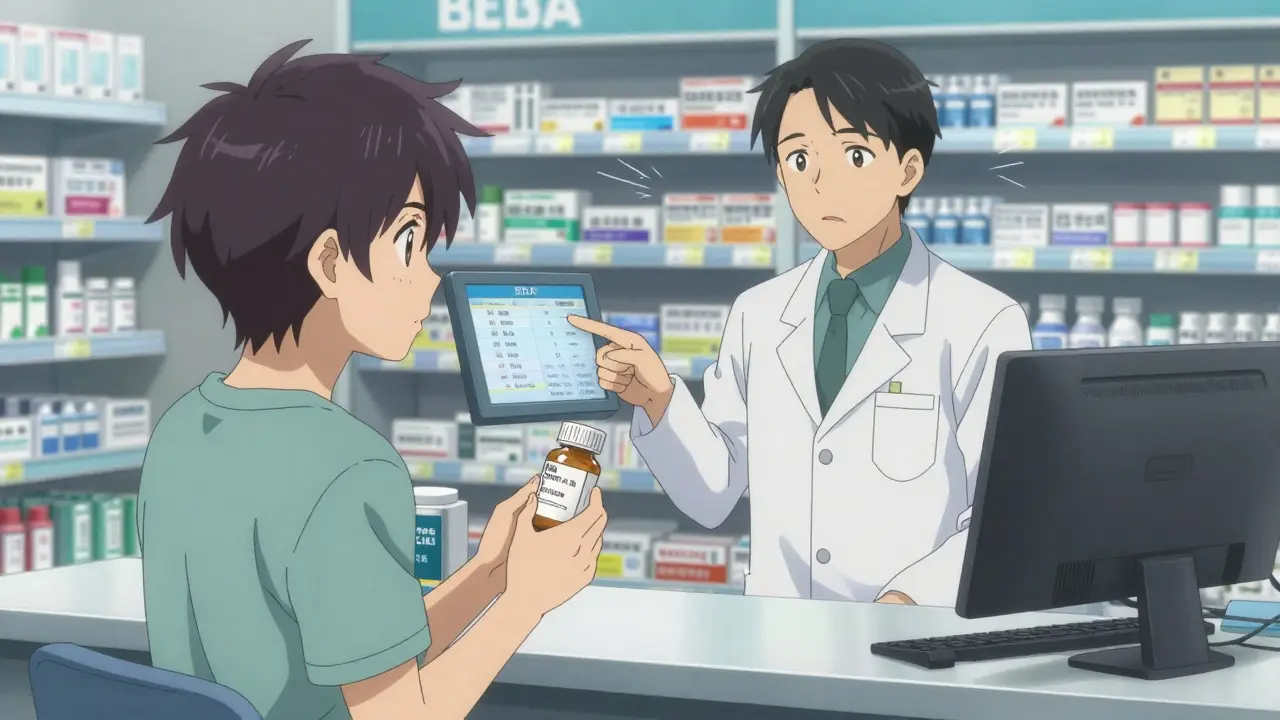
Understand how your state handles generic and biosimilar drug substitutions. Learn when pharmacists can switch your meds, what rights you have, and how to protect your health under state-specific laws.

Pharmacists support generic drugs for their cost savings and proven effectiveness, but face real challenges with patient mistrust, lack of doctor communication, and time constraints that make safe substitution difficult.