
When you pick up a prescription, you trust the pharmacist to catch what others miss. But pharmacist concerns, the everyday risks pharmacists watch for to keep patients safe. Also known as medication safety issues, these are the hidden traps in prescriptions, labels, and systems that can lead to harm if unnoticed. It’s not just about giving the right pill—it’s about spotting the wrong dose, the dangerous mix, the allergy flagged in error, or the insurance block that leaves you without your medicine.
Pharmacists don’t work in a vacuum. Their concerns connect directly to drug errors, mistakes in prescribing, dispensing, or taking medication, which cause over 7 million patient visits to emergency rooms each year in the U.S. alone. Many of these come from pharmacy allergy alerts, electronic warnings that often trigger falsely due to outdated or broad data in health records. You might get flagged for a penicillin allergy you never had, or miss a real cross-reaction because the system didn’t update. That’s why pharmacists spend hours checking, calling doctors, and asking patients: "Did you really have a rash with that drug?" They’re not being slow—they’re being careful.
Then there’s prescription insurance, the complex layer that determines if you can even afford your medicine. Pharmacists see patients walk away because a drug isn’t covered, or because prior authorization took three weeks. They know the formulary rules, the tiered copays, and the sneaky patent tricks that keep generics off shelves. And when a patient gets a new statin and starts complaining of dry mouth, or a woman on birth control has unexplained fatigue, pharmacists are often the first to connect the dots to inactive ingredients, the fillers and dyes in pills that can trigger reactions in sensitive people.
These aren’t abstract problems. They’re daily realities. A pharmacist might catch a dangerous interaction between an antidepressant and a thyroid med. They might question why a 70-year-old is getting two drugs that both cause dizziness. They might help you switch from a brand-name pill to a generic that saves you $200 a month—without losing effectiveness. Every post in this collection comes from real situations pharmacists face and the questions patients should ask.
What follows are clear, no-fluff guides on the exact issues pharmacists worry about: how to read those confusing allergy alerts, how to fight insurance denials, how to spot side effects hidden in fine print, and how to make sure your meds are doing what they should—without hurting you. These aren’t theoretical. They’re the things that keep people out of the hospital. And if you’ve ever been confused, scared, or overcharged because of your meds, this is the info you need.
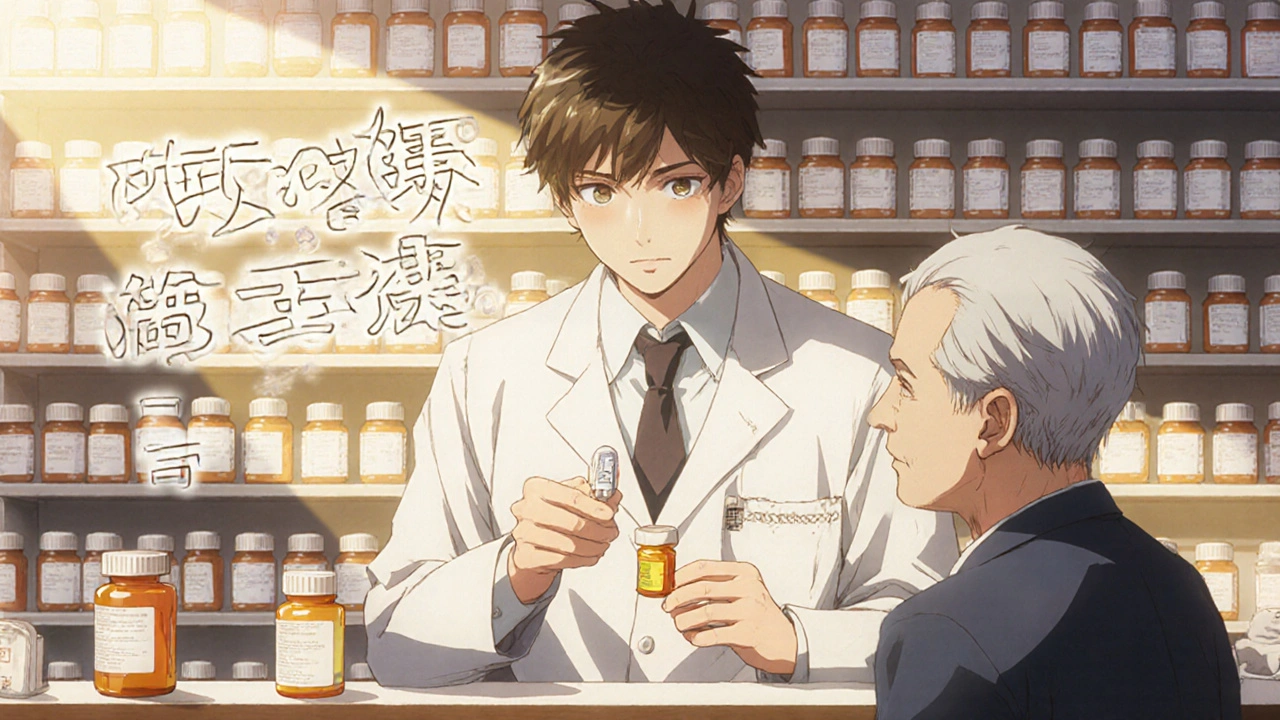
Pharmacists support generic drugs for their cost savings and proven effectiveness, but face real challenges with patient mistrust, lack of doctor communication, and time constraints that make safe substitution difficult.