
When it comes to your health, patient education, the process of giving people clear, practical information about their health conditions and treatments. It’s not just about reading pamphlets—it’s about knowing how to ask the right questions, spot red flags, and make decisions that actually work for your life. Too many people swallow pills without understanding why, what they might interact with, or how to tell if something’s wrong. That’s where real patient education steps in: it turns confusion into control.
Take generic drugs, lower-cost versions of brand-name medications that are just as safe and effective. Also known as generic medications, they make up 90% of prescriptions in the U.S. but cost just 12% of the total spending. Yet many patients still worry they’re getting something weaker. Patient education clears that up—showing you how to verify quality, understand why pharmacists switch brands, and when it’s okay to push back if something feels off. Then there’s drug interactions, when two or more medications react in ways that can be dangerous or reduce effectiveness. These aren’t rare. One post found psychiatric drug combos causing serotonin syndrome, another showed how statins and certain supplements can trigger muscle damage. Patient education teaches you how to read pharmacy alerts, spot false positives, and keep a simple list of everything you take—so you’re not caught off guard. And let’s not forget prescription insurance, the system that determines whether you pay $5 or $500 for the same pill. Most people don’t know what formularies, prior authorizations, or Medicare Part D donuts mean. Patient education breaks it down: what to ask your plan, how to appeal a denial, and how to find cheaper alternatives without losing coverage.
Real patient education doesn’t talk down to you. It gives you the tools to read between the lines of a label, understand why your doctor picked one antibiotic over another, or recognize that dry mouth from atorvastatin isn’t normal fatigue—it’s a side effect you can manage. It helps women spot heart attack symptoms that don’t look like the movies, tells parents how to calm a child’s toothache without panic, and shows seniors how to spot anemia before it leads to falls. It’s not about memorizing medical jargon. It’s about knowing what to look for, who to ask, and when to say, ‘Wait, that doesn’t sound right.’
Below, you’ll find real-world guides built from the experiences of people who’ve been there—whether it’s comparing biosimilars to save money, decoding allergy alerts that keep popping up, or understanding why your pharmacist hesitates to swap your brand-name drug. These aren’t theory pieces. They’re practical, no-fluff answers to the questions you actually have.
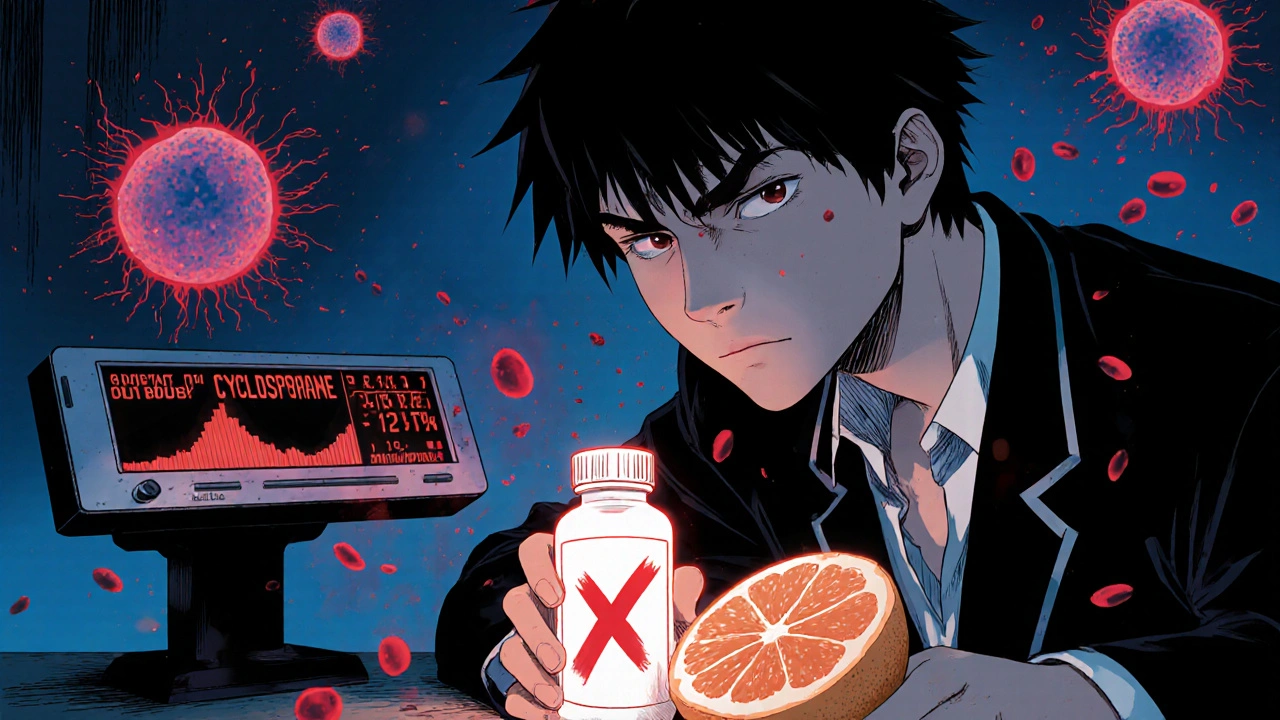
Cyclosporine saves lives but requires strict adherence and patient education to avoid serious side effects. Learn why understanding dosing, interactions, and warning signs is critical for safe long-term use.