

Explains how countries use international reference pricing to set generic drug prices, with examples from Germany, Netherlands, and recent trends. Covers challenges like shortages and innovations like France's dynamic system.

Learn how to manage chronic back pain through physical therapy, safe medications, and daily self-care. Discover proven strategies that reduce pain without opioids, backed by current medical research and real-world data.
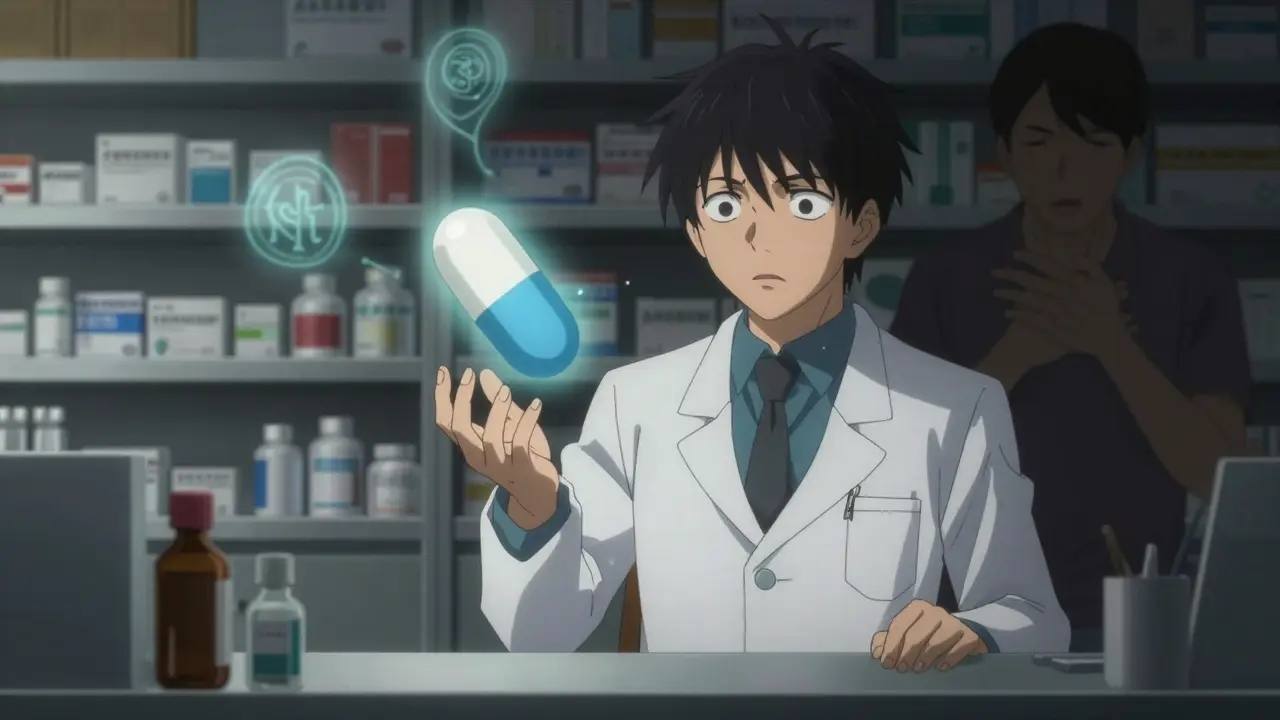
Generic medications save money but introduce unique risks like look-alike pills, changing manufacturers, and outdated databases. Learn how pharmacists can prevent and correct these errors using technology, counseling, and simple safety checks.

Brand companies launch authorized generics not to help patients, but to protect profits. These are the exact same drugs as the brand, sold cheaper. Here’s how they use this tactic to beat generic competition and keep revenue flowing.

Chronic eczema is caused by a broken skin barrier, not just dryness. Learn how ceramide-based repair, avoiding triggers, and proper application can reduce flares, stop itching, and cut steroid use - backed by science and real user results.
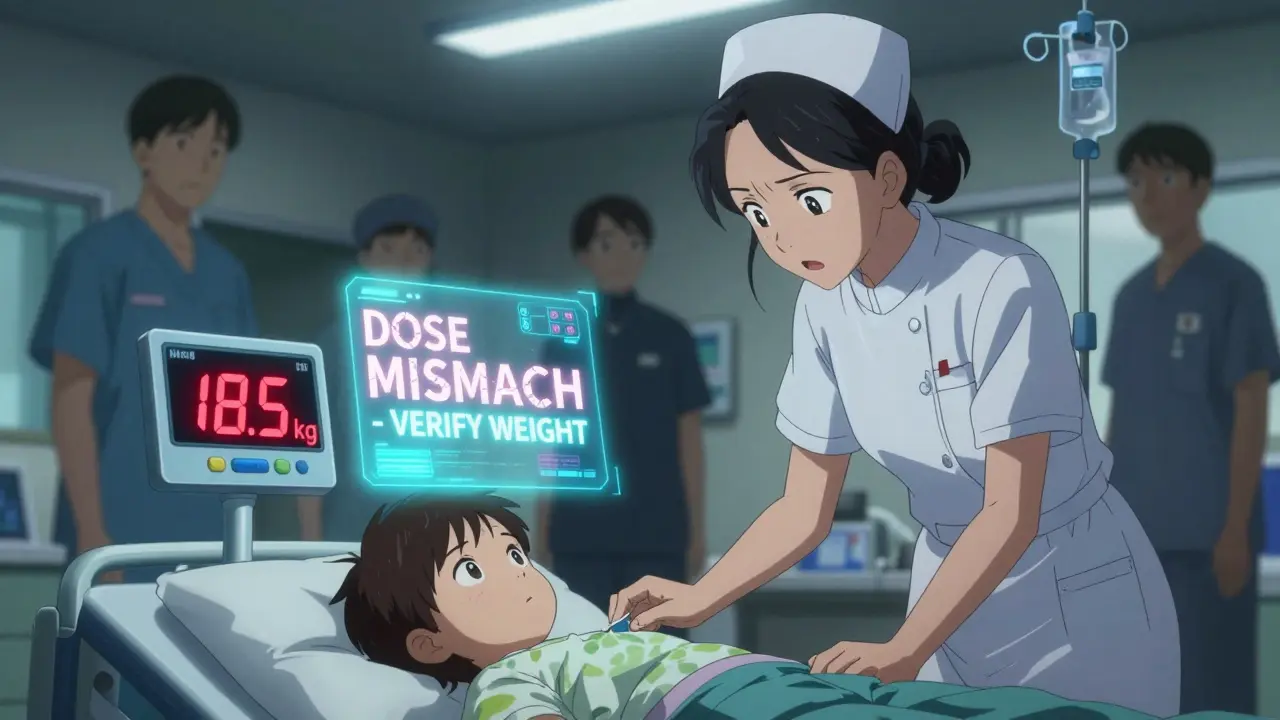
Pediatric medication errors often stem from weight-based dosing mistakes. Learn how mandatory weight verification at three key points - prescribing, dispensing, and administration - can prevent life-threatening errors in children.

Cervical and lumbar radiculopathy cause nerve pain that radiates from the neck or lower back. Learn how to identify the symptoms, understand the causes, and follow evidence-based rehab steps to recover without surgery.
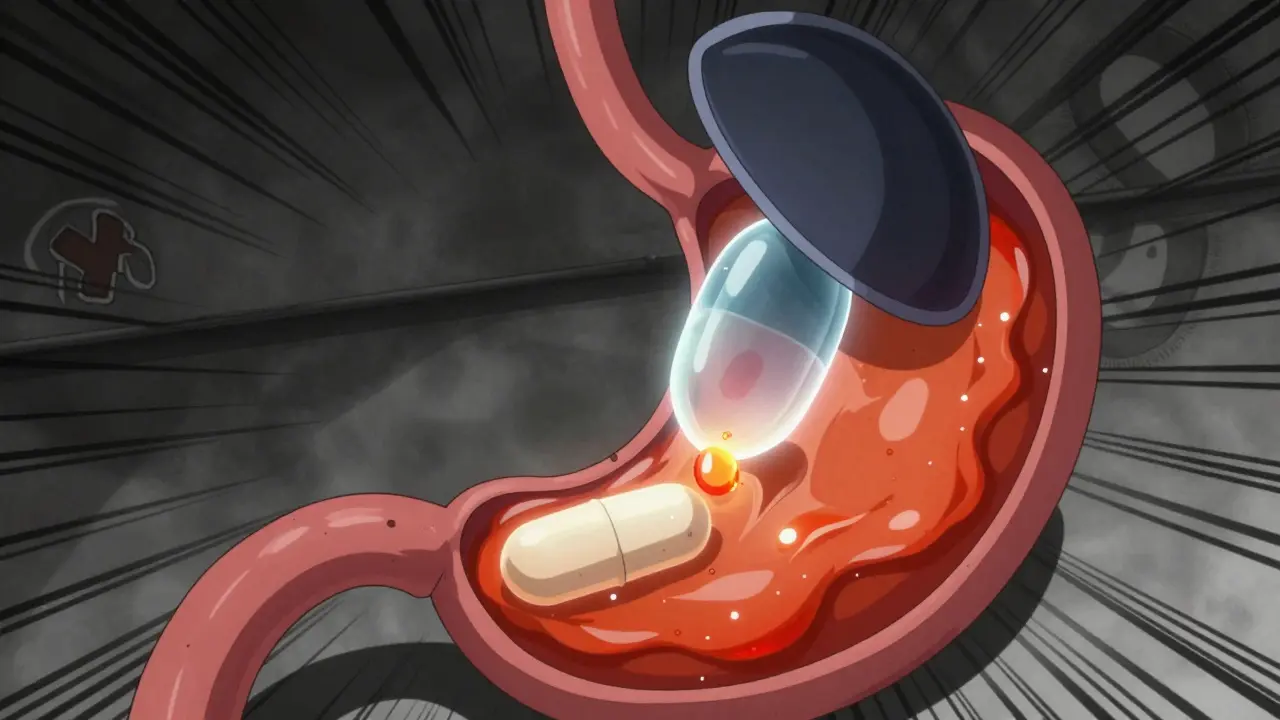
Levothyroxine and proton pump inhibitors (PPIs) can interfere with each other, reducing thyroid hormone absorption and raising TSH levels. Learn how this common drug interaction works, what to do about it, and what alternatives exist.
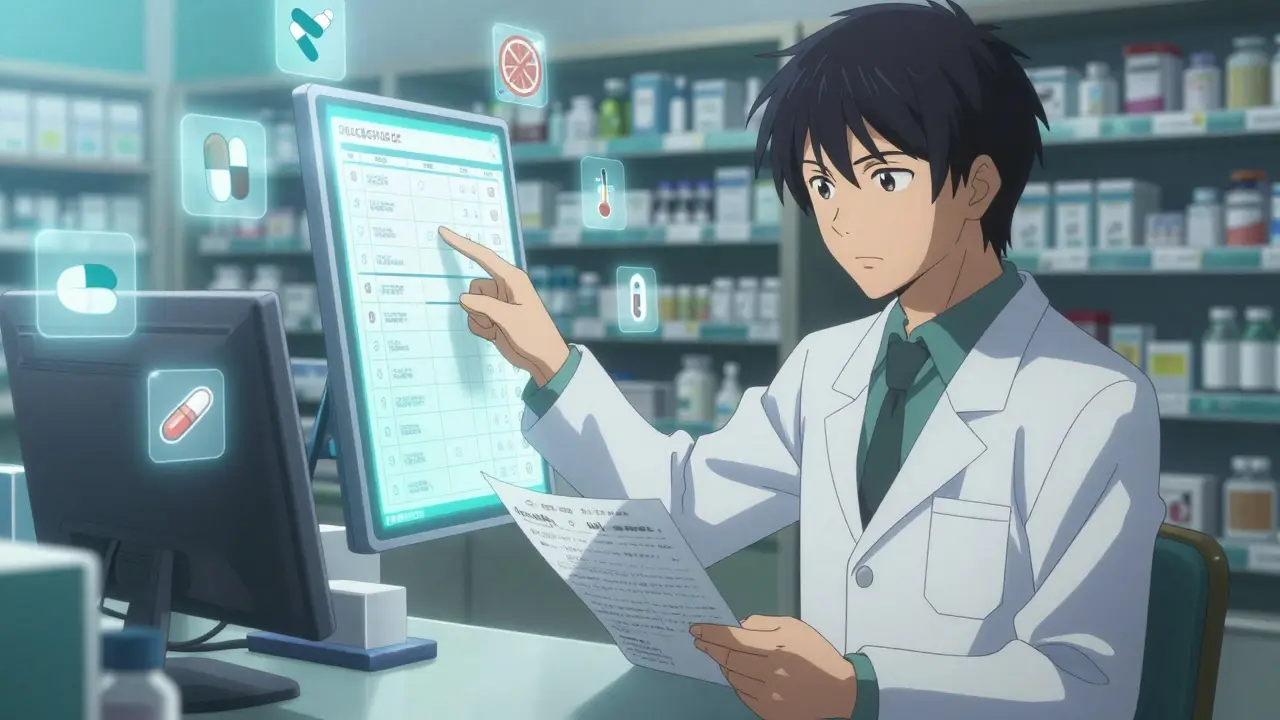
Learn the top medication safety questions to ask at the pharmacy to avoid dangerous interactions, side effects, and dosing errors. Get practical advice from pharmacists and real patient stories.

Generic combination products simplify treatment by merging drugs and devices into one easy-to-use system, boosting adherence by 15-25% while cutting costs by up to 80%. Learn how they work and why they matter.