
When your stomach makes too much acid, proton pump inhibitors, a class of medications that block the final step of acid production in the stomach lining. Also known as PPIs, they’re among the most prescribed drugs in the world for heartburn, ulcers, and acid reflux. But they’re not magic pills—and using them longer than needed can cause real problems.
Proton pump inhibitors work by shutting down the proton pumps in stomach cells that produce acid. That’s why they’re so effective: they cut acid production by up to 95%. But your stomach needs some acid to digest food, kill bacteria, and absorb nutrients like magnesium and vitamin B12. Long-term use can lead to deficiencies, bone fractures, and even infections like C. diff. Some people take them for years without realizing they might not need them anymore.
Related to this are GERD, a chronic condition where stomach acid flows back into the esophagus, causing irritation, and acid reflux, the symptom that often leads people to start PPIs in the first place. Many cases of both can be managed with lifestyle changes—eating smaller meals, avoiding late-night snacks, cutting out caffeine and spicy foods—or with simpler meds like H2 blockers. PPIs are powerful, but they’re not always the first step.
What you’ll find in these articles isn’t just a list of PPI brands. It’s real talk about when they help, when they don’t, and what else could be going on if your heartburn won’t quit. You’ll see how they connect to H. pylori infections, how they interact with other drugs like clopidogrel or statins, and why some people end up with rebound acid reflux after stopping them cold. There’s no fluff—just what matters for your health, your wallet, and your peace of mind.
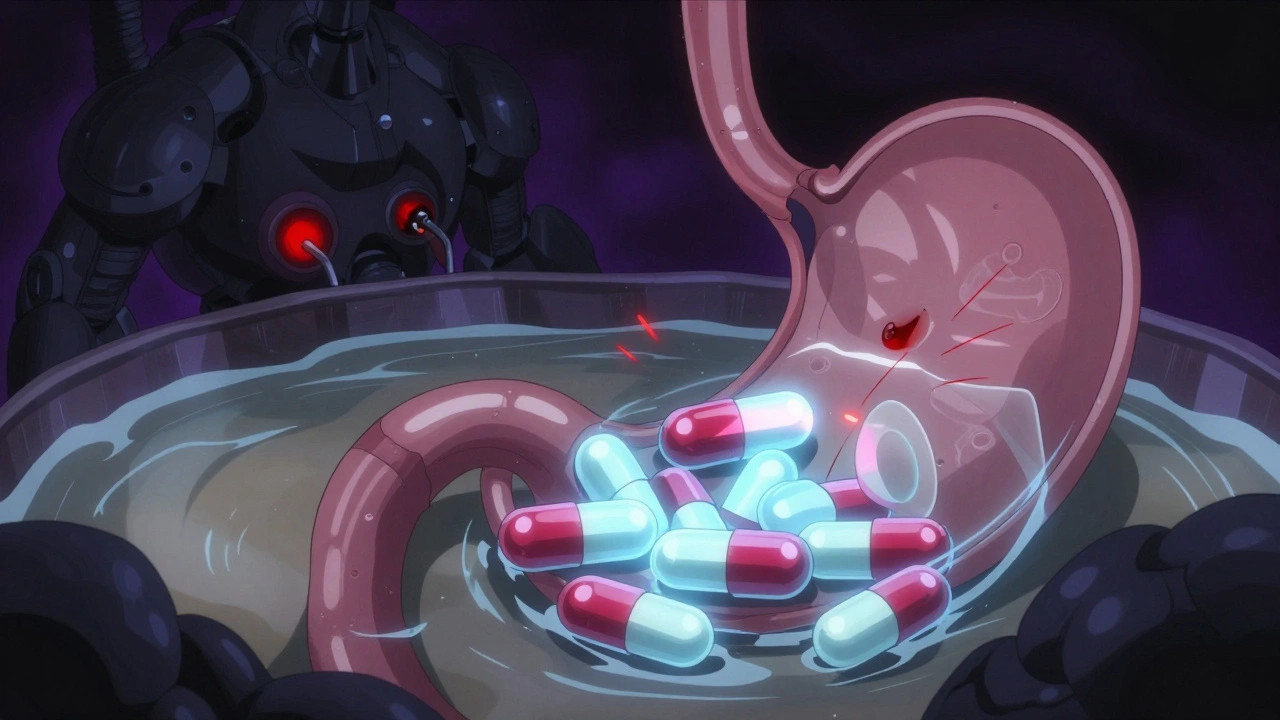
Proton pump inhibitors can severely reduce absorption of certain antifungals like itraconazole, leading to treatment failure. Learn which antifungals are affected, how to manage the interaction, and what new options are available.