
When we think of heart disease, most picture a blocked artery. But for many women, the real problem lies in the microvascular disease, a condition where the smallest blood vessels in the heart don’t function properly, reducing blood flow even when major arteries look clear. Also known as coronary microvascular disease or small vessel disease, it’s not a blockage—it’s a breakdown in how these tiny vessels relax, expand, and deliver oxygen. This isn’t rare. Up to 70% of women with chest pain and normal angiograms actually have this issue. Yet it’s often missed because standard tests like angiograms can’t see these tiny vessels.
Why does this happen more in women? Hormones play a big role. Estrogen helps keep blood vessels flexible, but after menopause, levels drop—and so does vessel health. Women with diabetes, high blood pressure, or autoimmune conditions like lupus are at higher risk. Unlike men, who often get classic chest pain, women may feel fatigue, shortness of breath, nausea, or back pain—symptoms that get written off as stress or aging. That’s why coronary microvascular disease, a leading cause of heart-related hospital visits in women under 65 is often diagnosed late.
It’s not just about the heart. microvascular disease, can also affect kidneys, eyes, and nerves, especially in women with long-term diabetes. That’s why managing blood sugar, cholesterol, and blood pressure isn’t optional—it’s critical. Lifestyle changes like walking 30 minutes a day, cutting added sugar, and quitting smoking can improve vessel function. Medications like ACE inhibitors or beta-blockers are often prescribed, not to dissolve plaques, but to help vessels open up and work better.
What you’ll find below are real, practical guides from women who’ve lived through this. From how to talk to your doctor when tests come back normal, to what supplements might help (and which ones to avoid), to how stress and sleep directly impact tiny blood vessels—you’ll see how this condition shows up in daily life. There’s no fluff here. Just clear info on symptoms, tests, treatments, and how to take control when the system keeps overlooking you.
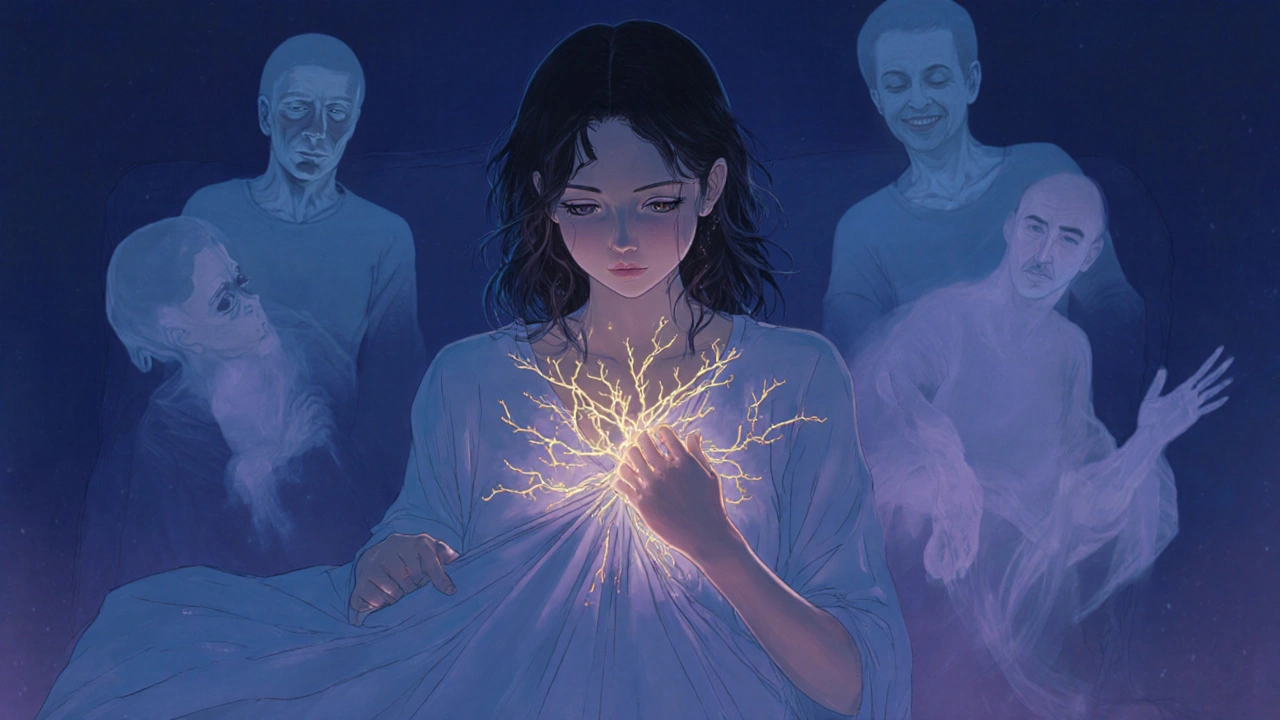
Heart disease is the top killer of women, yet symptoms often differ from men's. Learn the hidden signs like fatigue and jaw pain, why misdiagnosis happens, and how to protect your heart with proven risk management strategies.