
When your body mistakes a medicine for a threat, it can trigger a medication allergy reaction, an immune system response to a drug that causes symptoms ranging from mild to life-threatening. Also known as drug allergy, this isn’t just a side effect—it’s your body attacking something it thinks is harmful. Unlike nausea or dizziness, which are common side effects, a true allergy involves your immune system releasing chemicals like histamine, leading to hives, swelling, trouble breathing, or even anaphylaxis.
Many people confuse a bad reaction to medicine, any unpleasant effect after taking a drug with an allergy. But if you break out in a rash after taking penicillin, or your throat swells after ibuprofen, that’s not just "sensitivity"—it’s an allergy. Some reactions come from the active ingredient, like sulfa drugs or penicillin. Others come from inactive ingredients, fillers, dyes, or preservatives in pills that can trigger reactions in sensitive people. For example, red dye #40 or lactose in pills has caused reactions in people who didn’t even know they were allergic to them.
These reactions don’t always show up right away. Some people get a rash days after starting a new pill. Others react only after repeated exposure. That’s why it’s easy to miss—until something serious happens. If you’ve ever had a reaction to one drug, you’re more likely to react to others in the same class. That’s why doctors ask about past reactions before prescribing anything new.
Knowing your triggers matters. If you’ve had a reaction to amoxicillin, you might also react to other penicillin-type antibiotics. If you’re allergic to sulfa drugs, watch out for certain diabetes pills or diuretics. And if you’ve ever had trouble breathing after a shot or IV, tell every doctor you see—even the dentist.
What you do next can save your life. Keep a written list of every drug you’ve reacted to, including the symptoms and when it happened. Show it to every pharmacist and provider. Don’t assume a generic version is safe if the brand name caused trouble—sometimes the inactive ingredients differ. And if you’ve had a severe reaction, ask your doctor about wearing a medical alert bracelet.
The posts below cover real cases and practical advice: how to spot a hidden allergy in your meds, what to do when a pharmacy substitutes a drug you’re sensitive to, how excipients can trigger reactions, and how to talk to your doctor without sounding paranoid. You’ll find stories from people who thought they were just "sensitive"—until they learned it was an allergy. And you’ll learn how to protect yourself before the next prescription hits your counter.
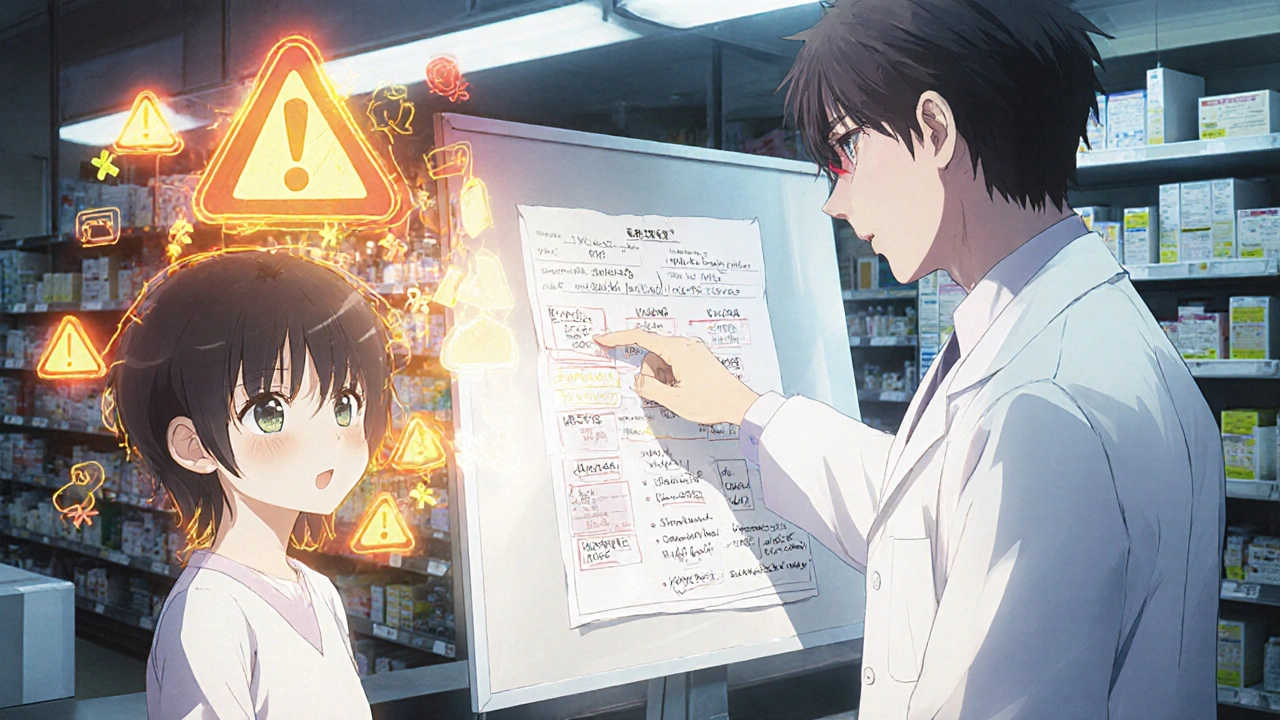
Learn how to interpret pharmacy allergy alerts correctly-why most are false, how to tell real risks from noise, and what steps you can take to fix inaccurate records in your health system.