
When we talk about heart disease, a group of conditions that affect the heart’s ability to pump blood effectively, often caused by blocked arteries or high blood pressure. Also known as cardiovascular disease, it’s the leading cause of death for women worldwide—yet many still think of it as a "man’s problem." The truth? Women’s hearts don’t just behave differently—they respond differently to stress, hormones, and even medications. A woman having a heart attack is more likely to feel nausea, back pain, or extreme fatigue than the classic chest tightness men describe. That’s why recognizing the right heart disease risk factors in women isn’t just helpful—it’s life-saving.
Some risks are the same as for men: high blood pressure, smoking, obesity, and lack of movement. But women face unique triggers. Menopause drops estrogen, which once helped keep arteries flexible. Suddenly, cholesterol levels shift, blood pressure climbs, and fat starts collecting around the waist—a bigger red flag than overall weight. Diabetes is also a stronger risk for women than men; a woman with diabetes has nearly the same heart attack risk as someone who already had one. And then there’s stress. Chronic stress doesn’t just make you tired—it raises cortisol, inflames arteries, and increases clotting risk. That’s why stress management, practical techniques like breathing exercises, walking, or setting boundaries to reduce emotional overload isn’t just self-care—it’s heart care. Even statin side effects, like dry mouth or muscle pain from drugs like atorvastatin, can affect whether a woman sticks with her treatment. If you’re on a statin and feel off, don’t quit—talk to your doctor. There are ways to manage the side effects without giving up the protection.
Climate change is another silent player. Rising heat and air pollution spike inflammation and strain the heart, especially in older women. And while we often focus on pills and procedures, the real power lies in daily choices: walking instead of driving, sleeping seven hours, and knowing your numbers—blood pressure, cholesterol, blood sugar. You don’t need to be perfect. You just need to be aware. Below, you’ll find real stories and science-backed tips from women who’ve navigated these risks. No fluff. No guesswork. Just what works.
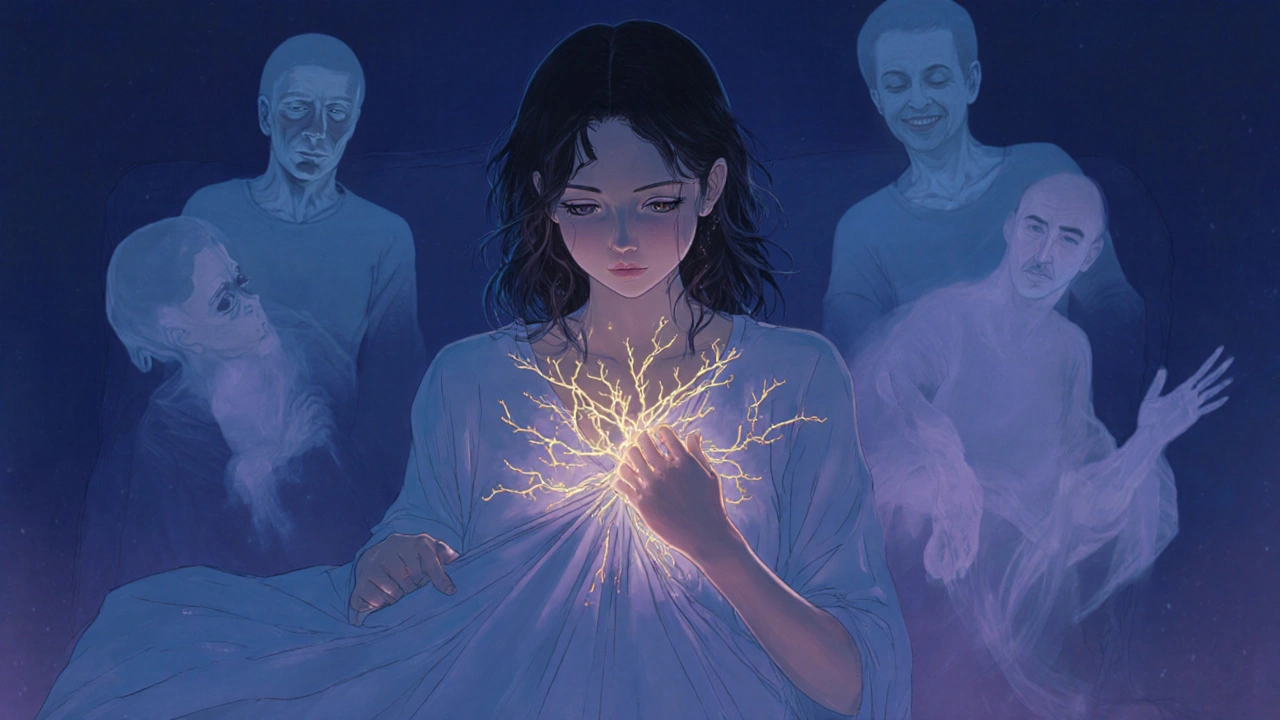
Heart disease is the top killer of women, yet symptoms often differ from men's. Learn the hidden signs like fatigue and jaw pain, why misdiagnosis happens, and how to protect your heart with proven risk management strategies.