
When a nurse hands a patient a pill, or a pharmacist fills a prescription, a double check protocol, a standardized process where two qualified professionals independently verify critical medical actions. Also known as two-person verification, it’s not just policy—it’s the last line of defense against mistakes that can kill. This isn’t about bureaucracy. It’s about stopping a wrong dose, a misread label, or a dangerous drug interaction before it reaches a patient.
The double check protocol is used everywhere high-stakes decisions happen: in ICUs, oncology units, operating rooms, and community pharmacies. It’s required for high-alert medications like insulin, heparin, and opioids—drugs where a tiny error leads to disaster. But it’s not just about the drug. It’s about the patient’s name, the dose, the route, the time, and the reason. One person reads the label. The other checks the chart. Both confirm before the medication leaves their hands. This simple step cuts errors by up to 70%, according to studies from the Institute of Medicine. And yet, many facilities skip it under pressure—costing lives.
It’s not just nurses and pharmacists who rely on this. Doctors write the orders, but they don’t always catch their own typos. Pharmacy techs prepare the pills, but they’re human too. That’s why the double check protocol forces a pause. It breaks autopilot. It turns routine into responsibility. In one hospital, after enforcing this rule for IV antibiotics, medication errors dropped from 12 per month to just 1. In another, a pharmacist caught a 10x overdose on chemotherapy because the second checker noticed the decimal was missing.
And it’s not just about drugs. The same logic applies to blood transfusions, surgical site marking, and even patient ID verification. The healthcare errors we hear about in the news? Most of them happened because someone skipped the second look. The medication safety systems we trust? They’re built on this one habit. And the pharmacy safety tools you see in your local drugstore? They’re just digital versions of the same old rule: two eyes are better than one.
What you’ll find in the posts below isn’t theory. It’s real-world stories from the front lines: how a nurse caught a deadly interaction between cyclosporine and grapefruit juice, how a pharmacist flagged a wrong statin dosage because of a confusing label, how a double check prevented a child from getting adult-strength antibiotics. These aren’t rare exceptions. They’re proof that the double check protocol works—when it’s done right. And they show you exactly why this simple step belongs in every healthcare setting, every time, without exception.
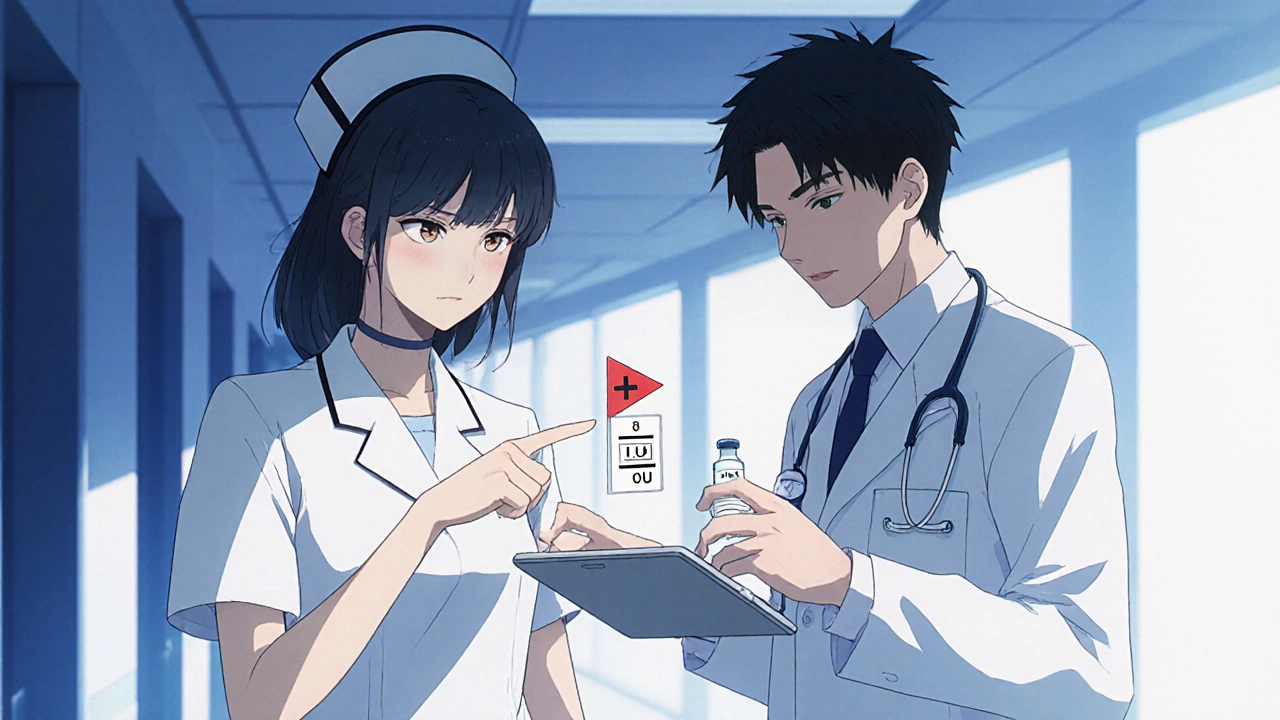
Learn how to verify medication dose changes safely using evidence-based steps, avoid dangerous miscommunication, and reduce errors with targeted protocols that work-without burning out staff.