
When you have a stubborn itch, redness, or scaling skin that won’t go away, it’s often not a rash—it’s a fungus, a type of microorganism that thrives in warm, moist areas of the body. Also known as yeast or mold, these invaders cause everything from athlete’s foot to oral thrush—and antifungals, medications designed to kill or slow the growth of fungi are the only thing that stops them.
Antifungals aren’t like antibiotics. They don’t target bacteria. They go after fungi, which are more like plants than germs. That’s why over-the-counter creams for athlete’s foot work differently than the pills your doctor prescribes for a yeast infection. Some antifungals, like clotrimazole or miconazole, are applied directly to the skin. Others, like fluconazole or itraconazole, travel through your bloodstream to hit deeper infections. Even your nails can get infected—those stubborn thick, discolored toenails? Often fungal. And yes, antifungals can treat those too.
But not all antifungals are created equal. Some are strong enough for hospital use, while others sit on drugstore shelves. And they all come with trade-offs. Oral antifungals can stress your liver. Topical ones might sting or cause irritation. And if you stop too soon, the fungus comes back—stronger. That’s why knowing which one you need, and how to use it right, matters more than you think.
Antifungals also interact with other meds. If you’re on blood thinners, cholesterol drugs, or even birth control, some antifungals can mess with how they work. That’s why your pharmacist asks so many questions when you pick up a prescription. It’s not just being thorough—it’s keeping you safe.
What you’ll find below isn’t just a list of articles. It’s a real-world guide to how antifungals fit into everyday health. You’ll see how they’re used for common issues like vaginal yeast infections, how they compare to other treatments, and why some people get better faster than others. You’ll also learn about the hidden risks, the myths that still circulate, and what to do when the cream doesn’t work. These posts don’t just explain antifungals—they show you how to use them wisely, avoid mistakes, and get real results without wasting time or money.
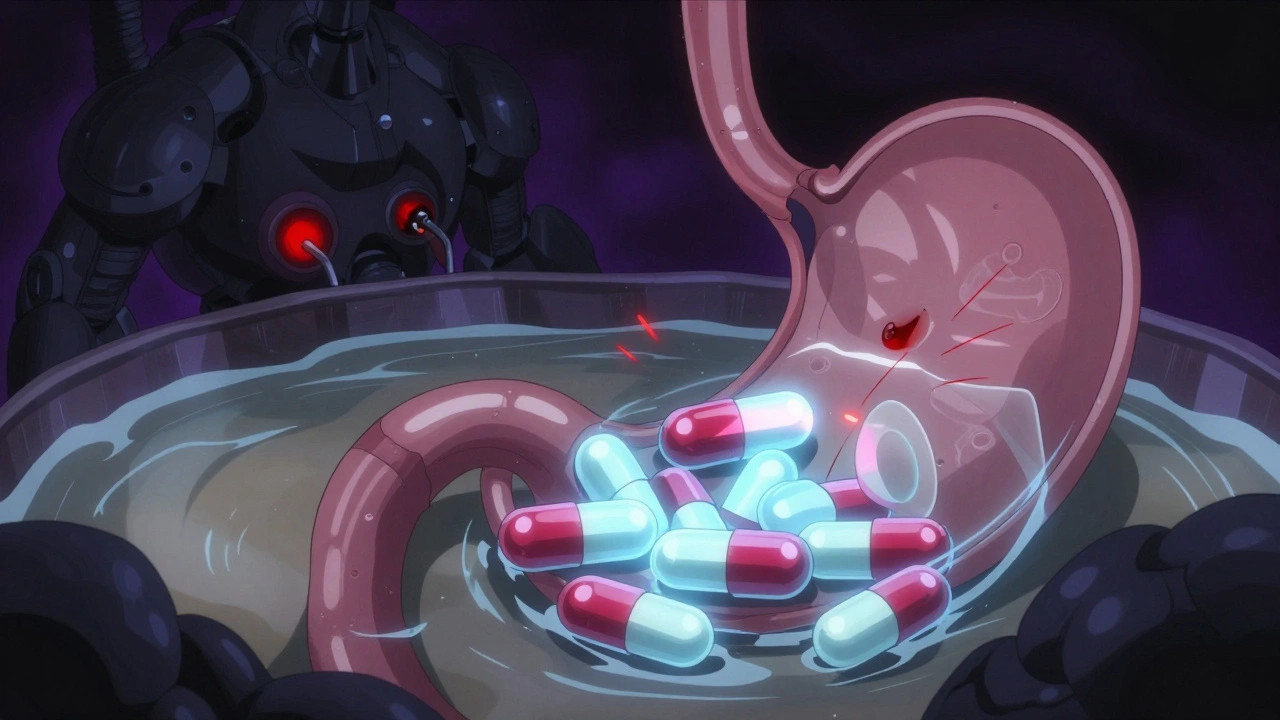
Proton pump inhibitors can severely reduce absorption of certain antifungals like itraconazole, leading to treatment failure. Learn which antifungals are affected, how to manage the interaction, and what new options are available.