

When a new medication hits the market, it’s easy to assume it’s been thoroughly tested. Clinical trials involve thousands of people, right? So what could possibly go wrong? The truth is, some side effects only show up when millions of people start taking a drug - people with different genetics, other health conditions, or who are taking other medications. That’s where post-marketing pharmacovigilance comes in. It’s not a backup plan. It’s the most important safety net for drugs after they’ve been approved.
Why Clinical Trials Miss Dangerous Side Effects
Clinical trials are designed to prove a drug works and isn’t wildly unsafe. But they have limits. Participants are carefully selected - no one with kidney disease, liver problems, or multiple prescriptions. Trials usually run for months, not years. And even the largest trials rarely include more than 5,000 people. That’s not enough to catch rare side effects. A reaction that happens in 1 out of 10,000 people won’t show up in a trial of 3,000. It’s like trying to find one specific grain of sand on a beach with a teaspoon. Take Vioxx, a painkiller approved in 1999. The trials involved about 5,000 people. No major heart risk was seen. But once 80 million people started taking it, the data told a different story: a nearly two-fold increase in heart attacks. It was pulled from the market in 2004. That’s not an outlier. It’s the rule. About 78% of serious drug safety issues discovered between 2001 and 2010 were found only after the drug was widely used, according to the FDA.How Side Effects Are Caught After Approval
There’s no single system. It’s a network of tools working together. The most common method is spontaneous reporting. Doctors, pharmacists, nurses, and even patients report unexpected reactions. In the U.S., that’s the MedWatch system run by the FDA. In the UK, it’s the Yellow Card Scheme. These systems collected over 1.2 million reports in the U.S. alone in 2023. But here’s the catch: experts estimate only 1% to 10% of actual side effects get reported. Many doctors don’t have time. Patients don’t know how or even that they should report. That’s why active surveillance is growing. The FDA’s Sentinel Initiative pulls data from electronic health records of over 300 million patients. It doesn’t wait for someone to file a report. It scans for patterns - like a sudden spike in hospital visits for a specific condition among people taking a new drug. If a drug is linked to a 30% increase in liver enzyme levels in a group of 50,000 users, the system flags it. That’s how many serious risks are now found before they become public crises. Europe uses EudraVigilance, a database that holds over 28 million individual case reports from 108 countries. Algorithms scan for unusual combinations - like a rare skin reaction appearing more often with Drug X than with similar drugs. In 2022, these systems flagged 1,843 potential safety signals. About 287 were confirmed as real risks, leading to label changes, warnings, or even withdrawals.What Happens When a Risk Is Found
Finding a signal is just the first step. The next is figuring out if it’s real. Is it a coincidence? Is it because people taking the drug are sicker to begin with? Is it a new interaction with another drug? Experts dig into the data. They compare users of the drug to similar patients not taking it. They look at age, gender, other medications, and underlying illnesses. If a real risk is confirmed, regulators act. It might be a simple update to the drug label - adding a warning about liver damage or a new contraindication for people with heart failure. Sometimes, it’s a “Risk Evaluation and Mitigation Strategy” (REMS). These are stricter controls: mandatory patient education, special prescriptions, or even restricted distribution. Thalidomide, for example, can’t be prescribed without a signed consent form and strict birth control rules - a direct result of post-marketing lessons from the 1960s. In some cases, the drug gets pulled. Vioxx. Avandia. Fen-phen. These weren’t mistakes - they were the system working. Without post-marketing surveillance, those drugs would still be on shelves, hurting more people.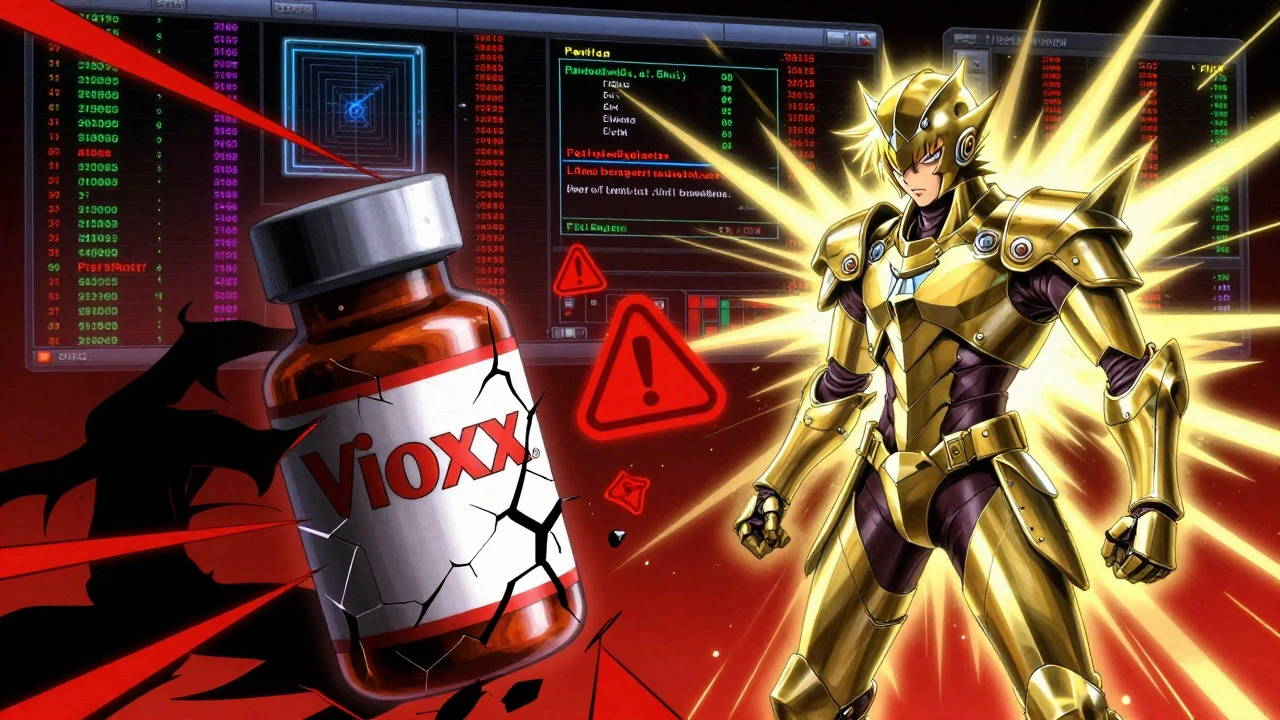
Who’s Responsible and How Hard Is It?
Drug companies are legally required to monitor their products. They must submit regular safety reports - every three months for the first two years, then annually. They need teams of pharmacologists, data analysts, and regulatory specialists. Small biotech firms often struggle. One study found the average small company has just 3.2 staff handling pharmacovigilance. Big pharma has over 50. That gap matters. Under-resourced companies may miss signals or delay reporting. Healthcare providers are the frontline. But many find reporting systems slow and confusing. A 2022 survey showed physicians spent an average of 22 minutes per report. That’s time they don’t have. The FDA and EMA have tried to fix this with online forms, mobile apps, and automated alerts. But adoption is uneven. Pharmacists in the UK like the Yellow Card app, but 61% still aren’t sure what counts as reportable. Patients? Most have no idea. Only 12% of U.S. consumers know about MedWatch. But when asked, 83% said they’d report side effects if it was easy. That’s a missed opportunity. Imagine if every patient could tap a button in their pharmacy app to report dizziness or a rash. That’s the future - and it’s already being tested with wearables. Apple and Pfizer are now tracking heart rhythm data from smartwatches to spot atrial fibrillation linked to new drugs.The Global Patchwork of Safety Systems
Not every country does this the same way. The U.S. relies on passive reporting (MedWatch) plus active surveillance (Sentinel). The EU has a unified system (EudraVigilance) with strict rules called GVP. Japan requires companies to monitor new drugs for 4 to 10 years after approval. The UK’s Yellow Card Scheme is the oldest in the world - started in 1964 - and still runs on a mix of paper and digital reports. The differences matter. In the EU, reporting is mandatory for healthcare professionals. In the U.S., it’s voluntary. That’s why the EU gets more reports per capita. But the U.S. has better tech. Sentinel can detect signals faster because it’s analyzing real-time data from millions of records. The challenge? Making these systems talk to each other. Right now, data doesn’t flow easily between countries. The EMA is building a single European database to fix that - expected to launch in 2025.
The Future: AI, Wearables, and Patient Power
The next big leap is in data. Artificial intelligence is now scanning social media, online forums, and even patient blogs for mentions of side effects. IBM Watson Health’s system can predict adverse reactions from social media with 87.4% accuracy. That’s not replacing doctors - it’s giving them early warnings. Wearables are another game-changer. Smartwatches can track heart rate, sleep patterns, and activity levels. If a new diabetes drug causes unexpected drops in heart rate during sleep, the system can detect it before a single doctor sees a patient with the problem. Blockchain is being tested to securely share safety data across companies and countries without losing control of patient privacy. Novartis and Roche are already piloting it. And regulators are pushing for real-world evidence to guide decisions. By 2030, McKinsey predicts 65% of drug safety decisions will be based on post-marketing data - up from just 28% today.What You Can Do
You don’t need to be a scientist to help. If you notice something unusual after starting a new medication - a rash that won’t go away, sudden fatigue, mood changes, or anything that feels wrong - report it. You don’t need a diagnosis. You just need to describe what happened and when. In the U.S., go to fda.gov/medwatch. In the UK, use the Yellow Card app. In Canada, use Health Canada’s online portal. If you’re not sure where to report, ask your pharmacist. They’re trained to help. It’s not about blaming the drug. It’s about protecting the next person. One report might seem small. But if 100 people report the same thing, that’s a signal. And that signal could save lives.What is post-marketing pharmacovigilance?
Post-marketing pharmacovigilance is the ongoing monitoring of drug safety after a medication has been approved and sold to the public. It’s how regulators and drugmakers find side effects that didn’t show up in clinical trials, using real-world data from millions of patients.
Why are side effects found after a drug is on the market?
Clinical trials involve small, carefully selected groups of people, usually under 5,000, and last only months. Real-world use involves millions of people with different health conditions, ages, genetics, and other medications. Rare side effects, long-term risks, and dangerous interactions only become visible when the drug is used broadly.
How do drug companies know if their medication is causing harm?
They use multiple systems: spontaneous reports from doctors and patients, electronic health record mining (like the FDA’s Sentinel), prescription tracking, and patient registries. AI tools scan this data for unusual patterns, such as a sudden rise in liver problems among users of a specific drug.
What happens when a new side effect is confirmed?
Regulators update the drug’s label with new warnings, restrict its use (like requiring special prescriptions), or require patient education programs. In serious cases, the drug may be withdrawn from the market, as happened with Vioxx and Fen-phen.
Can patients report side effects themselves?
Yes. Patients can and should report unexpected reactions. In the U.S., use MedWatch at fda.gov/medwatch. In the UK, use the Yellow Card app. Even if you’re unsure if it’s related, report it. Your report could help identify a new safety signal.
Are post-marketing systems reliable?
They’re not perfect - underreporting is a major issue. But they’ve caught critical risks that trials missed. Systems like the FDA’s Sentinel and EMA’s EudraVigilance use advanced analytics to detect patterns that humans might miss. Together, they’re the most effective safety net we have for medicines.


Michaux Hyatt
December 10 2025Really well explained! I work in pharmacy and see how underreported side effects are all the time. Patients think, 'It's probably just me,' or 'The doctor knows already.' But that's exactly the gap we need to close. If you notice something weird after starting a new med-itchy rash, weird dreams, sudden fatigue-just report it. Even if it seems trivial. One report is noise. A hundred? That's a signal.