
Every year, millions of people take medications that save lives. But not all side effects are caught in time. In fact, fewer than 10% of adverse reactions are ever reported. That means most safety issues slip through the cracks-until someone gets seriously hurt. If you’re a healthcare worker, pharmacist, or even just someone who takes medication regularly, staying informed isn’t optional. It’s how you protect yourself and others.
Where Global Medication Safety News Comes From
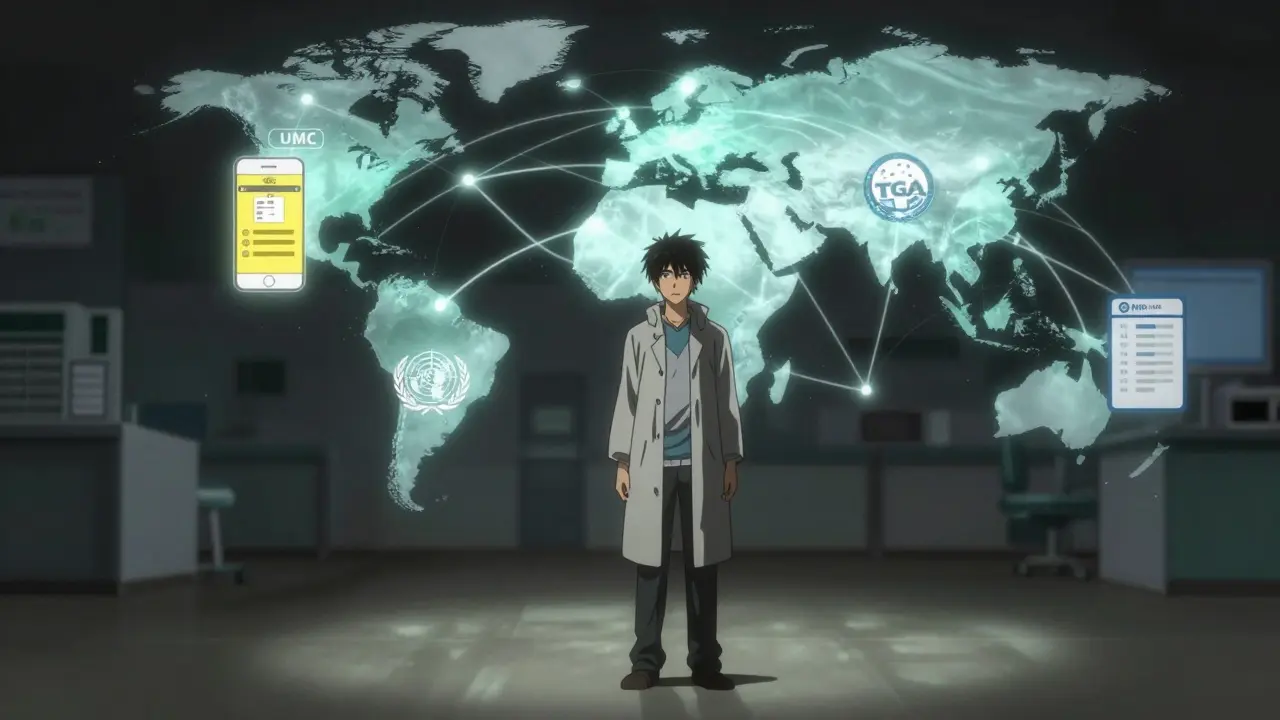
The world doesn’t rely on one country or one agency to track drug safety. It’s a network. At the center is the World Health Organization (WHO) an international body that coordinates global drug safety efforts, including the WHO Programme for International Drug Monitoring. They don’t just issue warnings-they build systems. In 2025, WHO released new guidelines on balancing access to controlled medicines like opioids and ketamine with safety, emphasizing that lack of access can be just as deadly as misuse.
Behind the scenes, the Uppsala Monitoring Centre (UMC) a global hub that collects and analyzes drug safety data from 150 countries runs the backbone of this system. They coordinate #MedSafetyWeek an annual global campaign that runs the first week of November, encouraging patients and providers to report side effects. In 2025, it’s their 10th anniversary-and they’re rolling out AI-powered tools to make reporting faster. These tools let users type symptoms into an app and get matched to official reporting channels in real time.
Then there’s the Institute for Safe Medication Practices (ISMP) a U.S.-based nonprofit that publishes actionable, evidence-based best practices for pharmacies and hospitals. Their 2025-2026 Best Practices guide includes concrete steps like double-checking weight-based dosing for children and setting up automated alerts for high-risk medications. One pharmacist in Melbourne told me they prevented a fatal pediatric error last year just by following ISMP’s checklist.
How to Get Real-Time Alerts
You don’t need to scour news sites or wait for hospital bulletins. The best updates come straight from official sources. Here’s how to set it up:
- Subscribe to WHO’s Medicines Safety Updates-visit the WHO website and sign up for their email list. They send out alerts on drug recalls, new safety warnings, and policy changes. No fluff. Just facts.
- Download the Yellow Card app-used in the UK and adapted in Australia, this app lets you report side effects in under 90 seconds. You can submit details about prescription drugs, vaccines, even herbal products. The data goes straight into the global database.
- Follow #MedSafetyWeek on social media starting in August. The UMC releases campaign materials, infographics, and reporting templates. Many hospitals in Australia use these posters in waiting rooms to remind patients to report reactions.
- Check ISMP’s website quarterly-they release new best practices every year. The 2025-2026 guide includes downloadable worksheets that clinics can use to audit their own safety gaps.
- Sign up for national alerts-in Australia, the Therapeutic Goods Administration (TGA) the federal agency responsible for regulating medicines and medical devices sends out weekly safety notices. You can find them on their website or subscribe via email.
What You’re Missing If You Only Watch One Source
Most people think if they follow one agency, they’re covered. They’re not. In 2024, a Canadian study found that 68% of pharmacists missed critical safety alerts because they only checked their local system. Why? Because safety signals often appear first in one country, then spread.
For example, a drug linked to liver damage might show up in a report from Brazil, then show up again in Japan. Only when WHO aggregates those reports does a global alert go out. If you’re only watching your own country’s system, you’re blind to early warnings.
That’s why the most informed professionals use at least three sources: local (like TGA), regional (like the European Medicines Agency), and global (WHO and UMC). They cross-check. They don’t assume.
How AI Is Changing the Game
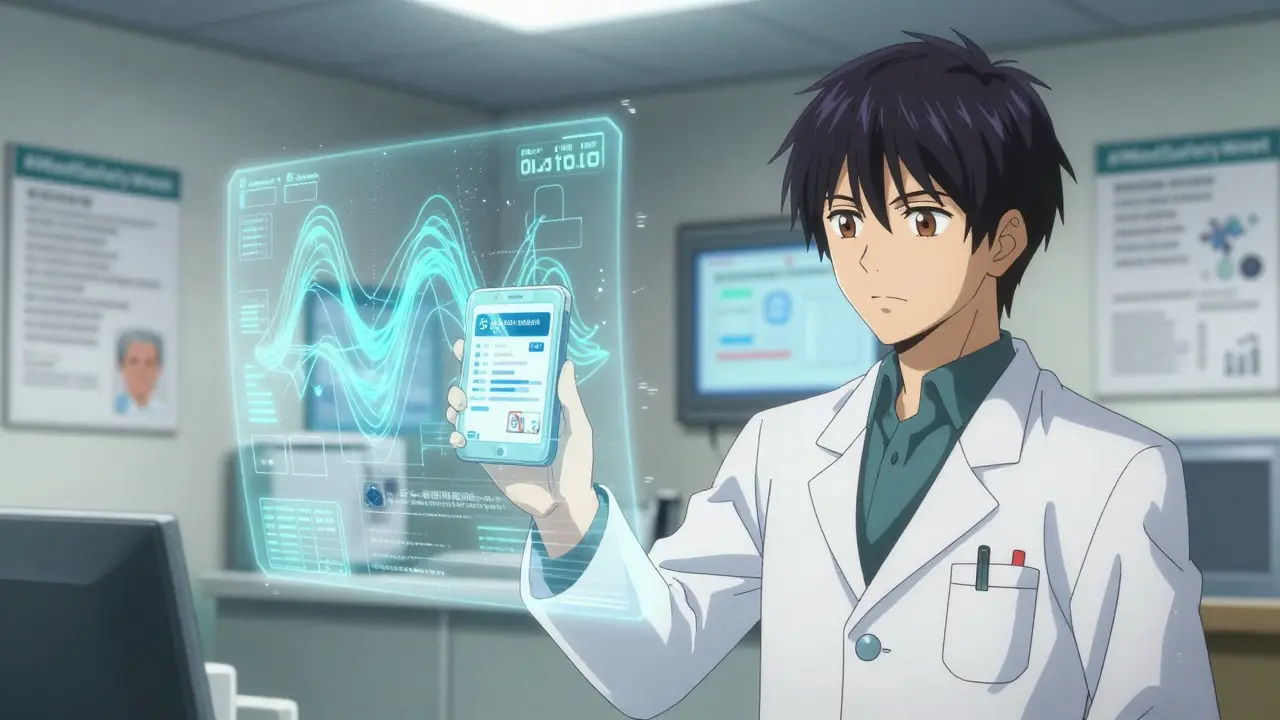
Artificial intelligence isn’t just a buzzword here-it’s saving lives. In 2024, beta versions of AI symptom checkers were tested in 15 countries. These tools let patients describe symptoms in plain language-like “I felt dizzy after my new blood pressure pill”-and automatically match them to known side effect patterns.
One hospital in Adelaide started using one of these tools. Within three months, they saw a 40% increase in accurate side effect reports. Why? Because patients who were too busy or too scared to fill out forms now had a simple chat interface.
But AI also brings risks. The Emergency Care Research Institute (ECRI) a nonprofit that analyzes patient safety trends globally named medical misinformation on social media as the third biggest threat in 2025. False claims about vaccines or drug side effects spread faster than real data. A single viral post can cause panic, drop vaccination rates, and even lead to dangerous self-medication.
That’s why experts say: always verify. If you see a scary headline about a drug, check the WHO or TGA website before sharing. Don’t trust TikTok or Reddit alone.
Why Reporting Matters More Than You Think
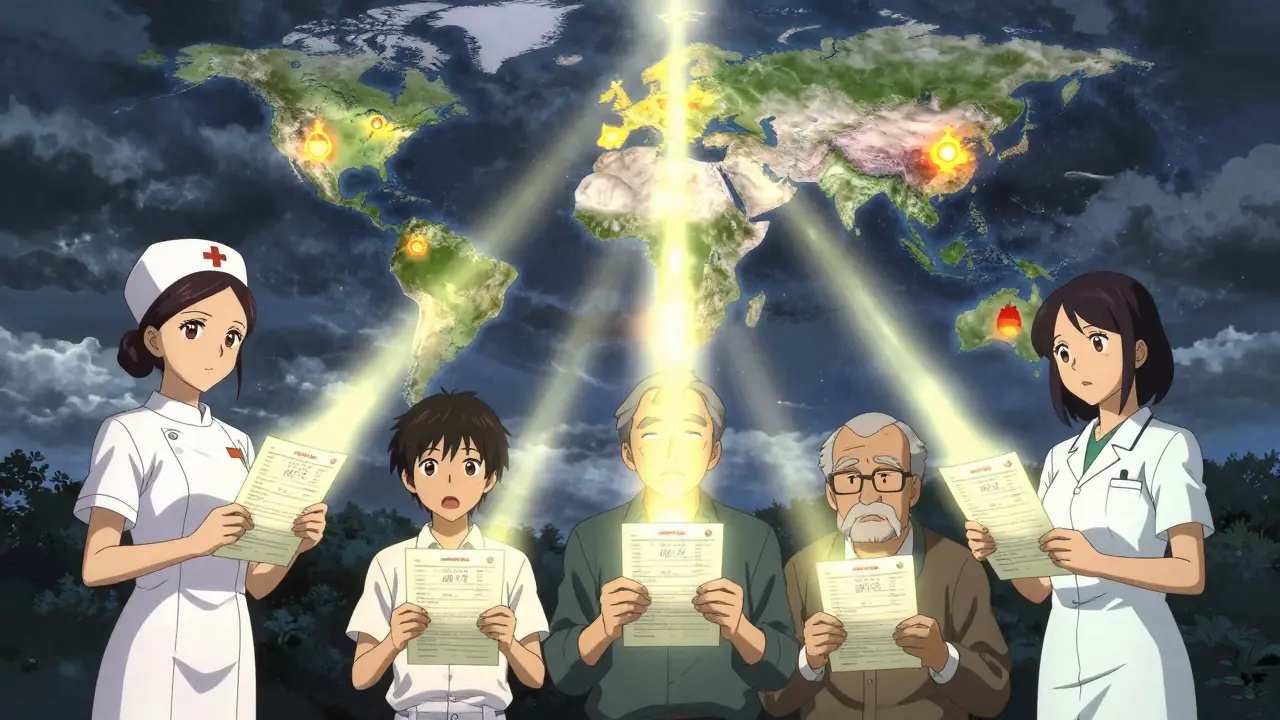
When you report a side effect, you’re not just filing paperwork. You’re adding a data point to a global map. That map helps regulators decide: should this drug be pulled? Should we change the warning label? Should we warn doctors about a new interaction?
Here’s the cold truth: 90% of side effects go unreported. That means regulators are flying blind. In low-income countries, the number is even worse-sometimes as low as 5 reports per million people. In Australia, we’re at about 350. That’s better, but still far below the EU’s target of 500.
And here’s the kicker: your report might save someone you don’t even know. A reaction you notice in yourself could be the first sign of a pattern that leads to a life-saving warning for thousands.
What Healthcare Teams Are Doing Right
Pharmacies that get results don’t just hand out flyers. They build systems.
A clinic in Geelong started using ISMP’s 2025-2026 worksheets. They identified three gaps: no double-check for pediatric doses, no reminders for patients on new medications, and no easy way to report side effects. They fixed them in six weeks. Result? A 22% drop in medication errors in their first quarter.
Another hospital in Perth integrated the Yellow Card app into their discharge process. Nurses now ask patients: “Have you downloaded the app? Would you like help reporting how you’re feeling?” That simple question led to a 30% rise in reports.
These aren’t magic fixes. They’re small, repeatable actions. And they work.
What to Avoid
Don’t wait for a crisis. Don’t assume your doctor or pharmacist is already on top of it. Don’t think “it’s not my job.” Medication safety is everyone’s job.
Also, avoid relying on drug company websites. They’re not designed to tell you when their product is risky. They’re designed to sell.
And don’t ignore your own body. If something feels off after taking a new medication-especially if it’s new to you-write it down. Note the date, the dose, how long it lasted. That info could be the difference between a minor note and a global alert.
What’s Coming Next
By 2027, clinical decision tools like Medi-Span a drug information database used in hospitals to reduce prescribing errors will include machine learning that predicts which patients are at highest risk for reactions based on genetics, age, and other meds they’re taking. That’s huge.
WHO also plans to expand pharmacovigilance training to 50 more low-income countries by 2030. That means more reports, more data, and better global safety.
But none of it works without you. Whether you’re a nurse, a pharmacist, a patient, or a caregiver-your report matters. Your awareness saves lives.
How do I report a side effect in Australia?
Use the Yellow Card app, available on iOS and Android. You can report reactions to prescription drugs, vaccines, herbal remedies, and even medical devices. The system connects directly to the Therapeutic Goods Administration (TGA) and feeds into the global WHO database. You can also report online via the TGA website or by calling their hotline.
Is the WHO’s global system reliable?
Yes. The WHO’s Programme for International Drug Monitoring connects 150 countries and uses standardized reporting methods. While data quality varies by country, the system is designed to detect patterns across borders. A drug that causes liver damage in Brazil and kidney issues in Germany will trigger a global review. It’s the most comprehensive system in the world.
Do I need to be a healthcare professional to report?
No. Anyone can report-patients, family members, caregivers. In fact, patient reports are often more detailed than those from clinicians because they notice subtle changes like fatigue, mood swings, or skin rashes that doctors might overlook. Your report counts.
What’s the difference between WHO, UMC, and ISMP?
WHO sets global policy and coordinates international efforts. UMC collects and analyzes data from national systems and runs the #MedSafetyWeek campaign. ISMP gives practical, step-by-step safety guidelines for pharmacies and hospitals. You need all three: WHO for global alerts, UMC for awareness campaigns, and ISMP for on-the-ground fixes.
How often should I check for updates?
Check WHO and TGA at least once a week. Subscribe to their email alerts so you don’t have to remember. ISMP releases new best practices once a year, so mark your calendar for March. #MedSafetyWeek materials come out in August, so set a reminder then too. Consistency beats intensity.
Next Steps for You
Here’s what to do right now:
- Download the Yellow Card app today.
- Subscribe to WHO’s Medicines Safety updates.
- Bookmark ISMP’s Best Practices page and check it in March 2026.
- If you work in healthcare, talk to your team about using the 2025-2026 worksheets.
- Next time you or someone you know has an odd reaction to a drug-report it. Don’t wait. Don’t assume it’s too small.
Medication safety isn’t a system you join. It’s a habit you build. One report. One conversation. One moment of awareness. That’s how change happens.


Angel Wolfe
February 27 2026They're using 'AI-powered tools' to collect side effects? LMAO. This is just another way for Big Pharma to monitor us while they bury the real data. I've seen patients get ignored for months until their symptoms matched an algorithm's pattern. Then boom-suddenly it's 'a global safety concern.' Coincidence? Or just how they control the narrative. WHO? More like WHO-Pharma. They don't want you to know what's really happening. They want you to report… but only what they're ready to hear.